Upton Sinclair
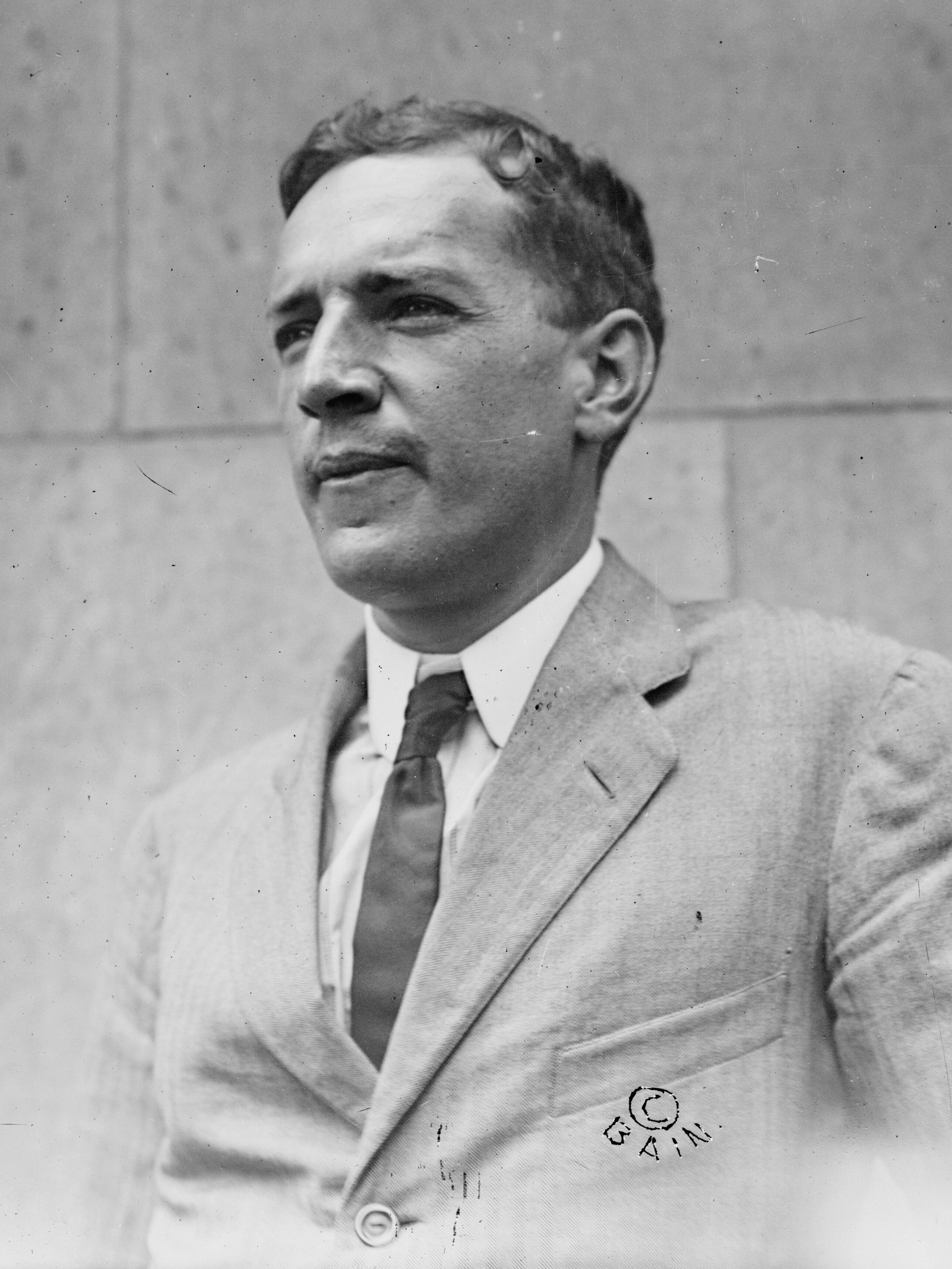
Upton Sinclair
U.S.A.
Social Media

Personal Background
Upton Sinclair graduated from City College and studied law at Columbia University, though he primarily pursued a career in writing. His early work included poetry, jokes, dime novels, and magazine articles. Sinclair conducted undercover research in Chicago's meatpacking plants, which led to the publication of *The Jungle* in 1906. He founded the Intercollegiate Socialist Society and ran as a Socialist candidate for Congress, demonstrating his commitment to social activism. Sinclair's diverse career also encompassed film production, including the collaboration on Eisenstein's *¡Qué viva México!*. His extensive writing and activism focused on social and economic reforms, particularly for the working class.
Political Ideas
Upton Sinclair's political philosophy is marked by a relentless pursuit of social justice through radical reforms, blending socialist ideals with a unique blend of humanitarian efforts. His ideological positioning is unconventional, advocating for stringent labor rights while holding conservative views on personal morality. Sinclair's rhetorical style is deeply investigative, as seen in his groundbreaking work *The Jungle*, which exposed the meatpacking industry's malpractices. His legislative record reveals an unexpected convergence with opposing factions on environmental regulations, suggesting a highly calculated approach to protecting regional industrial interests.