James Rolph Jr.
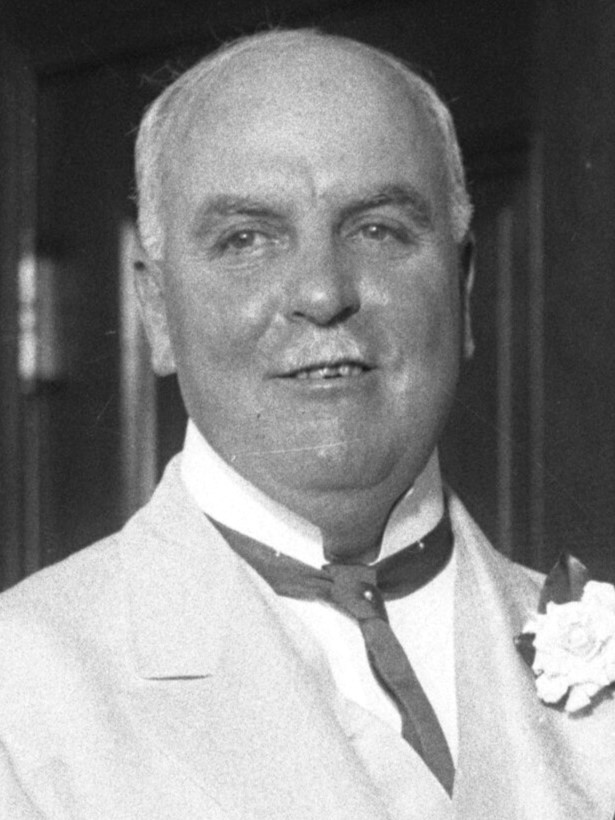
James Rolph Jr.
U.S.A.

Social Media

Personal Background
James Rolph Jr. developed a robust background in commerce and finance, starting as an office boy before entering the shipping business and banking sectors. He held leadership roles in various commercial enterprises, including serving as president of two banks, one of which he helped establish. Rolph transitioned into public service, gaining recognition as mayor of San Francisco, where he was known for his efforts to improve the city's infrastructure and public services. His professional expertise extended to labor relations, as evidenced by his appointment of a fact-finding committee to investigate the San Joaquin cotton strike. Rolph's leadership capabilities were further demonstrated when he assumed the governorship of California, where he faced challenges related to labor unrest and criminal justice.
Political Ideas
James Rolph Jr.'s political identity is marked by a blend of business acumen and a surprising willingness to engage with labor issues. Rolph’s economic policies were deeply rooted in his business experience, yet he demonstrated an unexpected commitment to labor rights by investigating the violent San Joaquin cotton strike. His rhetorical style often emphasized regional economic interests, which sometimes led to controversial stances, such as his muted response to the lynching of Brooke Hart’s kidnappers. Rolph’s legacy includes significant infrastructure achievements, yet his nuanced approach to labor and criminal justice reveals a complex political figure.