Arthur St. Clair
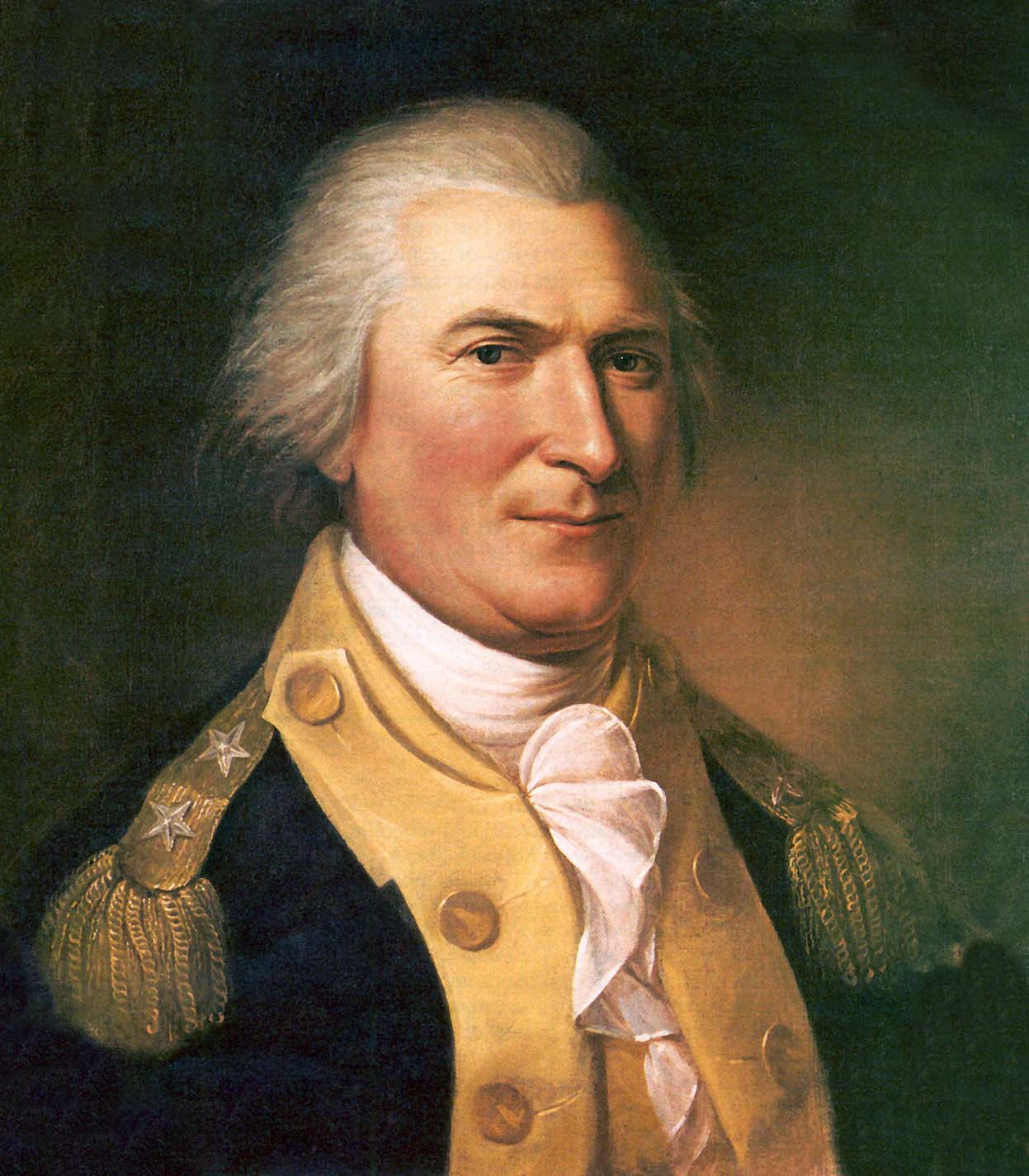
Arthur St. Clair
U.S.A.

Social Media

Personal Background
Arthur St. Clair began his career in the British Army, serving in the French and Indian War, and later played a pivotal role in the American Revolutionary War. He commanded the 3rd Pennsylvania Regiment and was instrumental in the capture of Princeton, New Jersey. Following his military service, St. Clair transitioned to public service, holding various governmental roles in Pennsylvania. He was elected President of the Continental Congress, during which he oversaw the enactment of the Northwest Ordinance. St. Clair's leadership extended to his appointment as governor of the Northwest Territory, where he focused on infrastructure development and economic growth.
Political Ideas
Arthur St. Clair's political identity is marked by a strategic blend of military pragmatism and regional economic advocacy, creating an intriguing tension between his roles as a wartime leader and peacetime developer. His legislative actions, like the Northwest Ordinance, reveal a calculated approach to governance that balances federal authority with regional autonomy. St. Clair’s military career, punctuated by both notable successes and failures, suggests a willingness to take bold risks, while his economic policies emphasize local growth over broader national agendas.