Thomas Mifflin
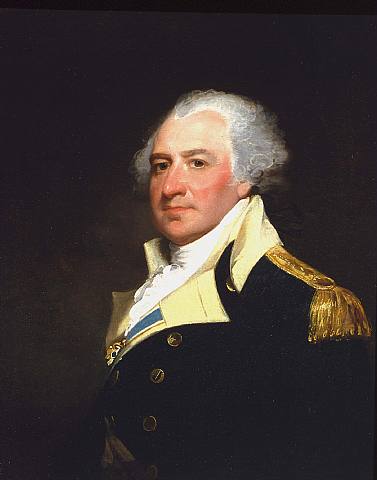
Thomas Mifflin
U.S.A.

Social Media

Personal Background
Thomas Mifflin graduated from the College of Philadelphia and established a commercial business partnership with his brother. He served in the Continental Army, rising to the rank of major general and participating in key battles. Mifflin held various political positions, including serving in the Continental Congress and the Pennsylvania Provincial Assembly. He played a role in drafting and ratifying the U.S. Constitution and led the committee that wrote Pennsylvania's 1790 state constitution. Mifflin's leadership was tested during significant events such as the Whiskey Rebellion and the 1793 Philadelphia yellow fever epidemic.
Political Ideas
Thomas Mifflin's political identity is marked by a blend of military pragmatism and ideological rigidity, evident in his service in the Continental Army and his uncompromising stance during the Whiskey Rebellion. His leadership during the Revolutionary War, including his role as quartermaster general, juxtaposed with his later allegations of mismanagement, reveals a complex approach to governance. Mifflin's participation in drafting both the U.S. and Pennsylvania constitutions highlights his commitment to structured governance, yet his expulsion from the Religious Society of Friends for joining the military suggests a tension between personal beliefs and public duty.