William Mahone
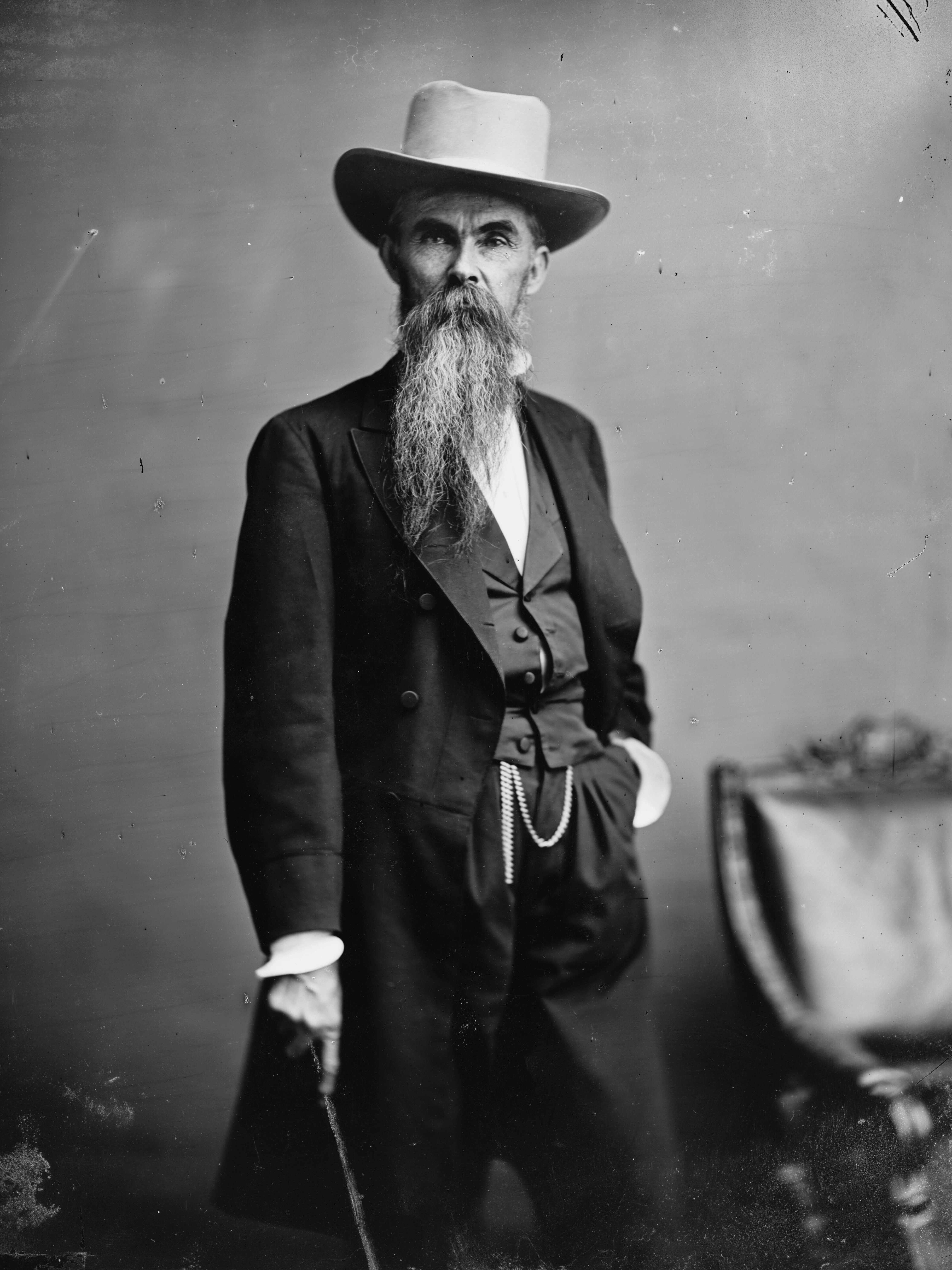
William Mahone
U.S.A.

Social Media

Personal Background
William Mahone graduated from the Virginia Military Institute in 1847 and began his career as a teacher before transitioning to railroad engineering. He played a significant role in the construction of several railroads, including the Norfolk and Petersburg Railroad, and was instrumental in the development of Ocean View City. During the American Civil War, Mahone rose to the rank of major general and was recognized for his leadership in key battles. Post-war, he returned to railroad management, founding the Atlantic, Mississippi & Ohio Railroad and later becoming president of multiple railroads. Mahone also made substantial contributions to education, helping to establish Virginia State University and advocating for educational reforms.
Political Ideas
William Mahone's political identity is marked by a blend of post-Civil War pragmatism and progressive social reforms, particularly in education and civil rights. His strategic focus on reducing prewar debt and advocating for railroad development to rejuvenate the South's economy demonstrates a calculated approach to regional economic recovery. Yet, his commitment to integrated public services and education funding for African Americans reveals a progressive stance that challenges the racial norms of his era. Mahone's ability to navigate and reconcile these seemingly disparate priorities suggests a nuanced and ideologically agile political philosophy.