Philip McKinney
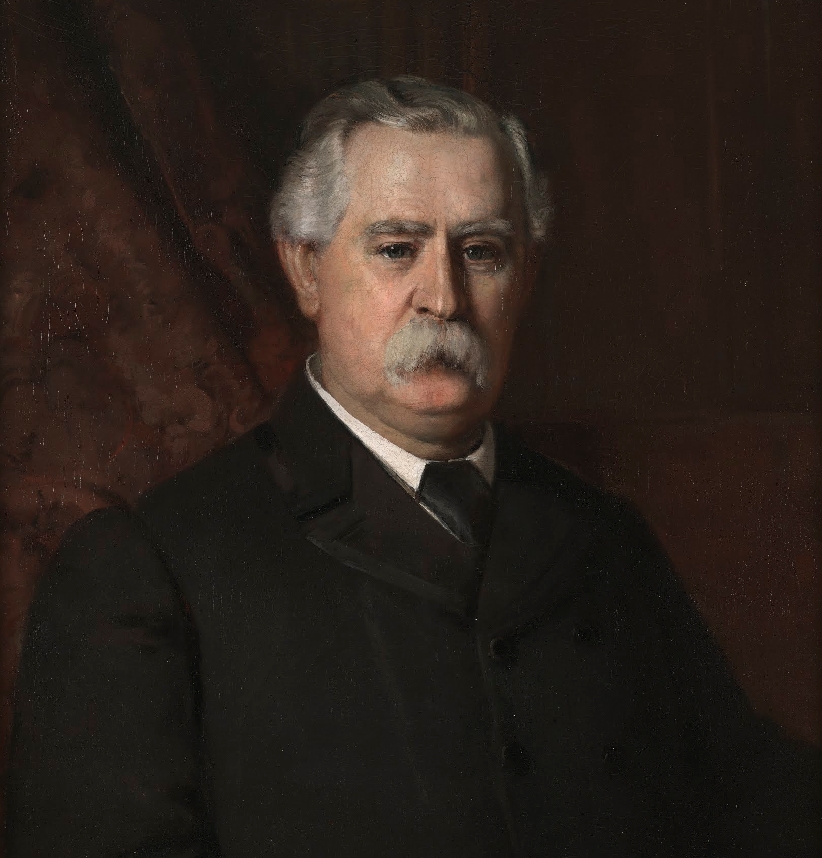
Philip Watkins McKinney
U.S.A.

Social Media

Personal Background
Philip McKinney graduated with honors from Hampden–Sydney College in 1851 and pursued legal studies under John White Brockenbrough at Washington College. He began his career in public service by being elected to the Virginia House of Delegates in 1858. McKinney served as an officer in the Confederate army, sustaining a career-ending injury at the Battle of Brandy Station in 1863. Following the war, he established a law practice and held positions as Commonwealth Attorney for Prince Edward County. Despite electoral setbacks, he was elected Governor of Virginia in 1889, focusing on economic development and reinforcing the state's Democratic party. McKinney retired to private life in Farmville after his governorship.
Political Ideas
Philip McKinney's political identity is marked by a rigid adherence to white supremacy, juxtaposed with a calculated focus on economic development. His legislative actions and campaign rhetoric consistently emphasized racial hierarchies while simultaneously advancing state economic interests. McKinney's military background in the Confederacy adds a layer of historical romanticism to his political persona, making his stances both controversial and compelling.