William H. Taft
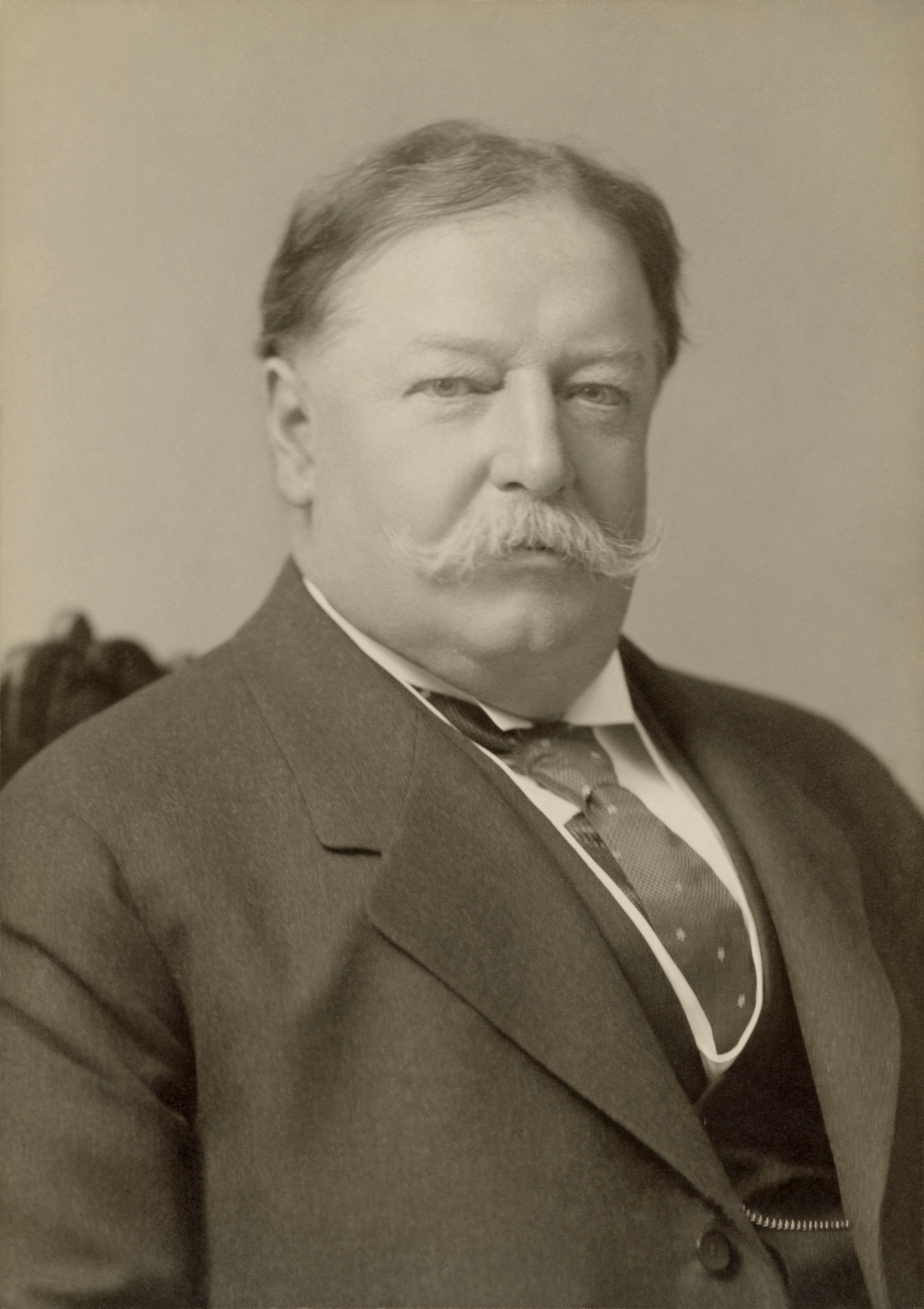
William H. Taft
U.S.A.

Social Media

Personal Background
William H. Taft graduated second in his class from Yale College and earned a Bachelor of Laws from Cincinnati Law School. He began his career in journalism and law before transitioning to academia, where he held a professorship at Yale Law School and led several professional organizations. Taft's tenure as Chief Justice of the United States was marked by his judicial reforms and support for the League of Nations. His professional journey reflects a blend of legal expertise, leadership in educational institutions, and significant contributions to judicial and international policies.
Political Ideas
William H. Taft's political identity is marked by a calculated approach to balancing traditional Republican values with progressive reforms. His judicial philosophy reveals a tension between advocating for appointive systems over direct elections for judges while simultaneously supporting judicial reforms to modernize the Supreme Court. Taft's economic stance shows an unexpected convergence with opposing factions on antitrust regulations, revealing a highly calculated approach to protecting regional industrial interests. His foreign policy advocacy for the League of Nations highlights a strategic vision for international cooperation, contrasting with isolationist tendencies of the time.