Woodrow Wilson
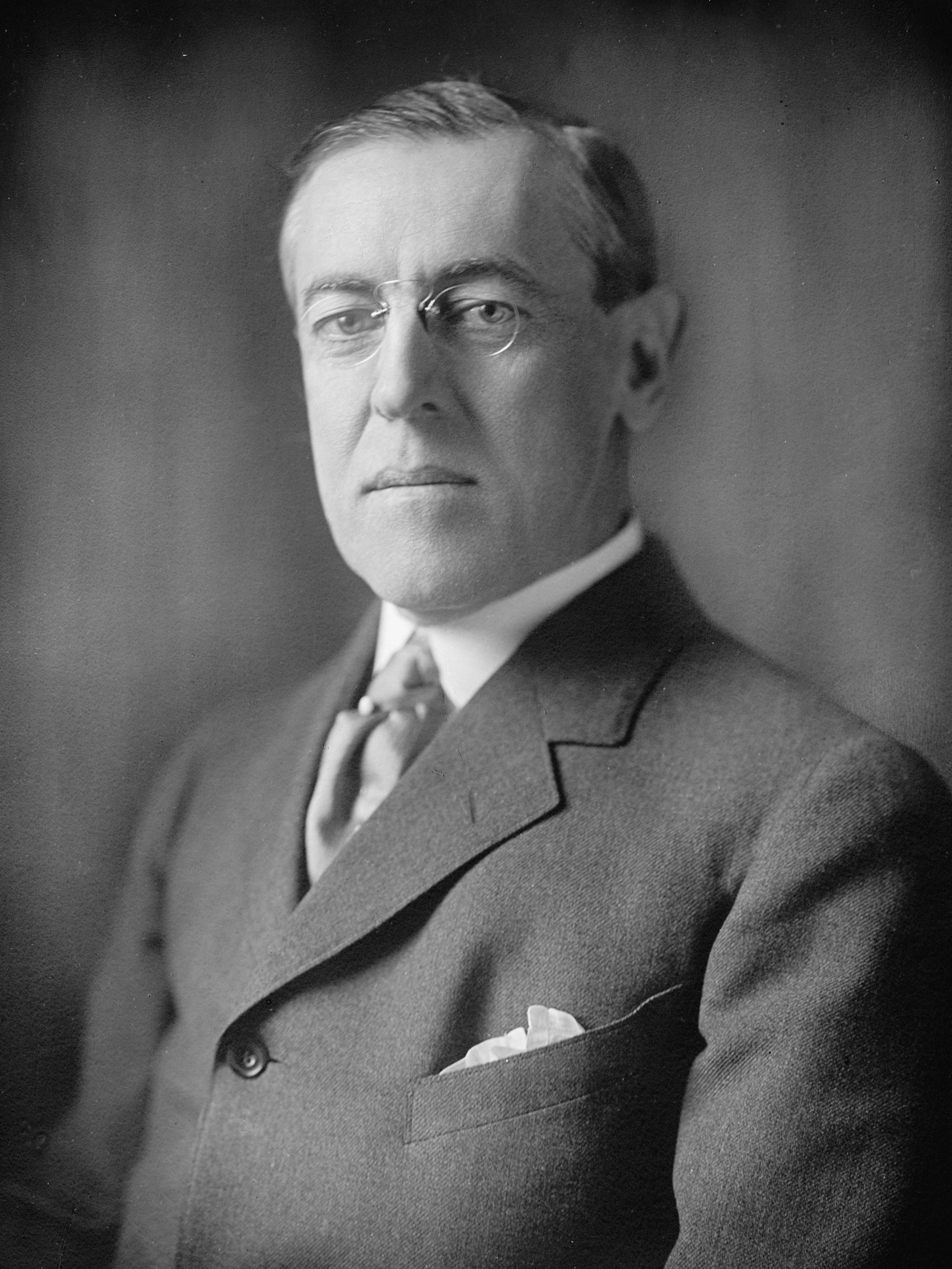
Woodrow Wilson
U.S.A.

Social Media

Personal Background
Woodrow Wilson completed his undergraduate education at Princeton, followed by law studies at the University of Virginia. He later earned a Ph.D. in history and government from Johns Hopkins University. Wilson's professional journey included a brief stint in law practice before he transitioned into academia and public service. His tenure as Governor of New Jersey was marked by progressive reforms, including primary elections, campaign finance laws, and labor protections.
Political Ideas
Woodrow Wilson's political identity is marked by a complex blend of progressive reforms and regressive racial policies. His legislative initiatives, including antitrust laws and labor protections, demonstrate a commitment to economic justice, yet his administration's overtly racist policies and support for segregation reveal a deeply troubling contradiction. Wilson's rhetorical style, emphasizing national security and global democracy during World War I, juxtaposes sharply with his exclusionary racial stances, prompting reflection on the selective application of his ideals.