William Cushing
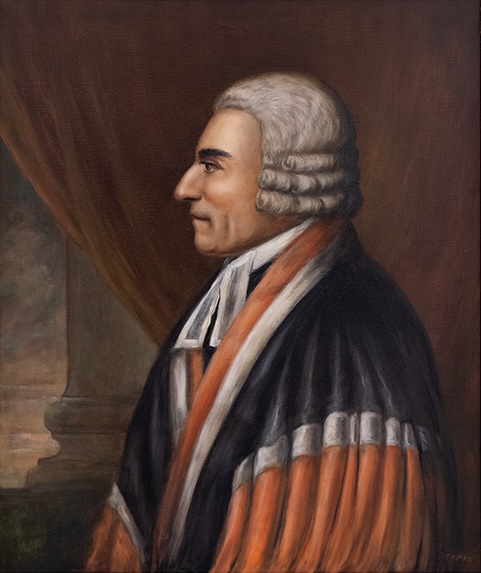
William Cushing
U.S.A.

Social Media

Personal Background
William Cushing, a graduate of Harvard College, established himself as a prominent legal figure in Massachusetts. He became the first practicing attorney in Maine's eastern district and later served on the Superior Court bench. Cushing's judicial career culminated in his appointment as Chief Justice, during which he played a pivotal role in the abolition of slavery in the state. His commitment to judicial independence was evident when he declined crown payments, opting for provincial funds instead. Cushing's contributions to the legal field were recognized through his charter membership in the American Academy of Arts and Sciences.
Political Ideas
William Cushing's judicial philosophy reveals a steadfast commitment to independence and principle, as evidenced by his refusal to accept crown payments. His anti-slavery stance is equally principled, as demonstrated by his role in the landmark 1783 ruling that abolished slavery in the state. These positions suggest a deeply ideological approach to law, balancing regional autonomy with progressive social justice.