Samuel Adams
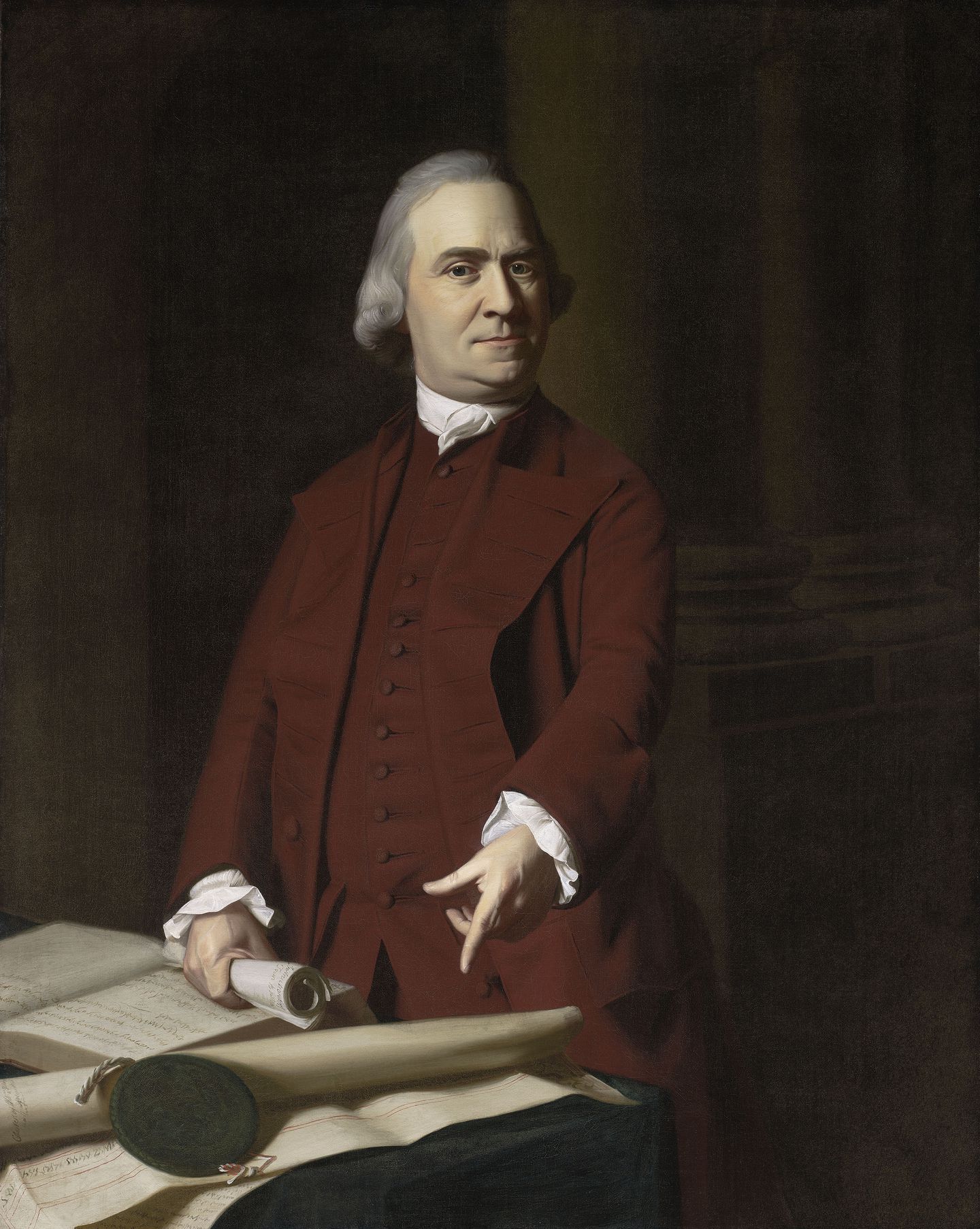
Samuel Adams
U.S.A.

Social Media

Personal Background
Samuel Adams pursued a rigorous academic path, earning a bachelor's and master's degree from Harvard College. He engaged in various business ventures, including co-launching a newspaper, though these were not financially successful. Adams transitioned to public service, holding the position of tax collector for Boston, where he faced challenges in tax collection. He was a vocal critic of British colonial policies and played a significant role in organizing resistance, including the Boston Tea Party. Adams's political career was marked by his involvement in state governance, including service as Lieutenant Governor and Governor of Massachusetts. He was a proponent of public virtue, education, and state sovereignty, and his views on governance and resistance influenced the early American political landscape.
Political Ideas
Samuel Adams's political identity is marked by his unwavering advocacy for colonial rights and public virtue, juxtaposed with his opposition to hereditary structures and unrepresentative governance. His support for the land bank to combat economic hardship reveals a nuanced approach to state sovereignty and fiscal policy. Adams's rhetorical style, steeped in the defense of civic virtue and resistance to British authority, showcases a calculated blend of revolutionary fervor and a cautious stance on armed rebellion. His eventual support for the U.S. Constitution, contingent on the inclusion of the Bill of Rights, highlights a strategic adaptability that balances state powers with federal oversight.