William Bigler
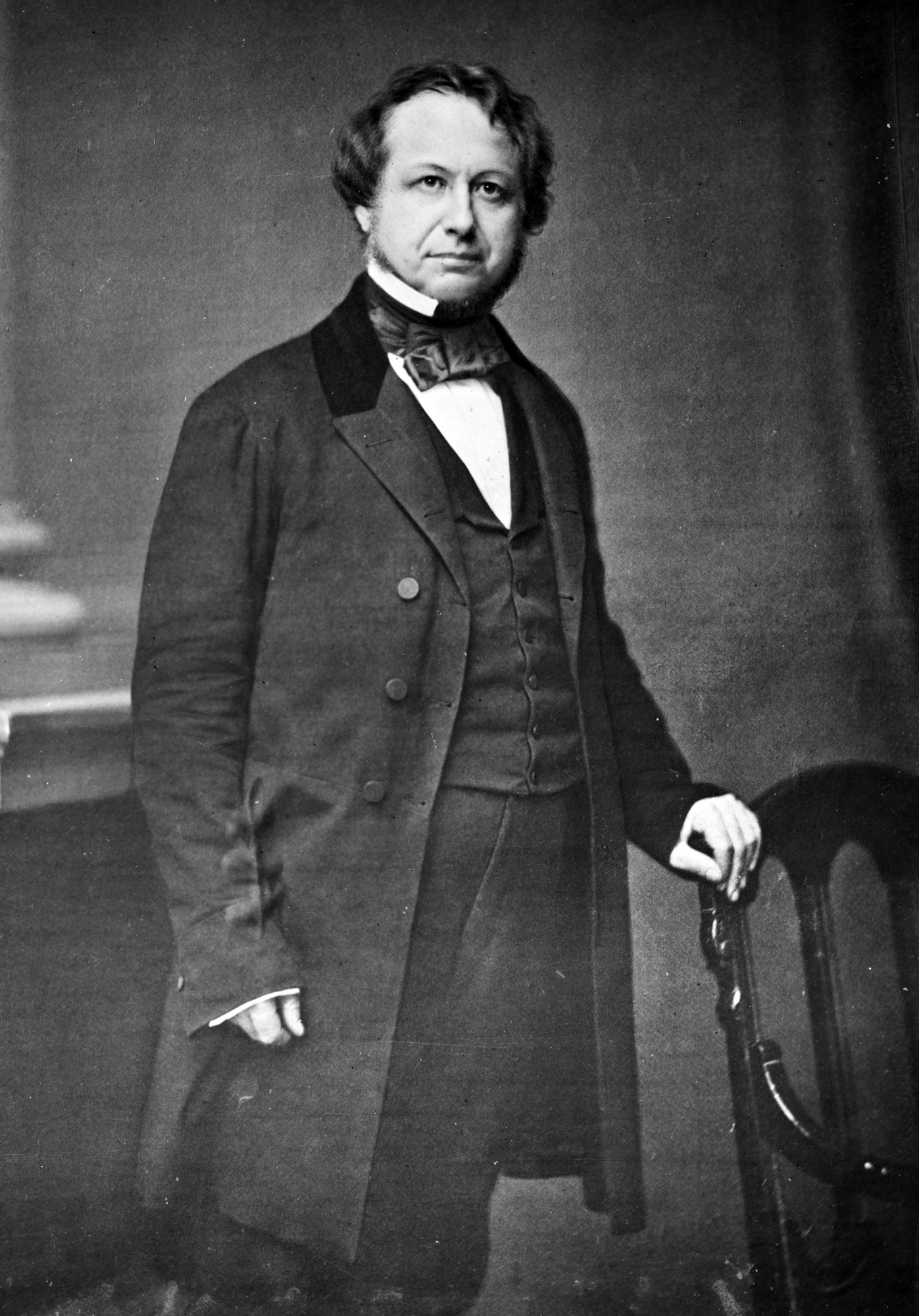
William Bigler
U.S.A.

Social Media

Personal Background
William Bigler established his foundational qualifications through a blend of early journalistic experience and significant political service. He began his career as a printer's apprentice and journalist, later managing the Centre County Democrat newspaper. Bigler's political career included serving as a member of the Pennsylvania Senate and Speaker of the Senate, followed by a term as Governor of Pennsylvania. His business acumen was demonstrated through his involvement in the lumber industry and later as president of the Philadelphia and Erie Railroad. Bigler's contributions extended to infrastructure development, notably the establishment of a cross-state railroad line.
Political Ideas
William Bigler's political career reveals a complex blend of regional economic advocacy and staunch support for southern interests, despite his Pennsylvania roots. His support for pro-slavery measures and enforcement of the Fugitive Slave Act contrasts sharply with his efforts to modernize Pennsylvania's infrastructure, such as the central railroad. Bigler's approach to government reform, including the development of asylums, suggests a calculated balancing act between progressive public health initiatives and adherence to traditional values. His legislative record indicates an unexpected convergence with opposing factions on economic issues, revealing a highly localized strategy aimed at protecting Pennsylvania's industrial interests.