James Pollock
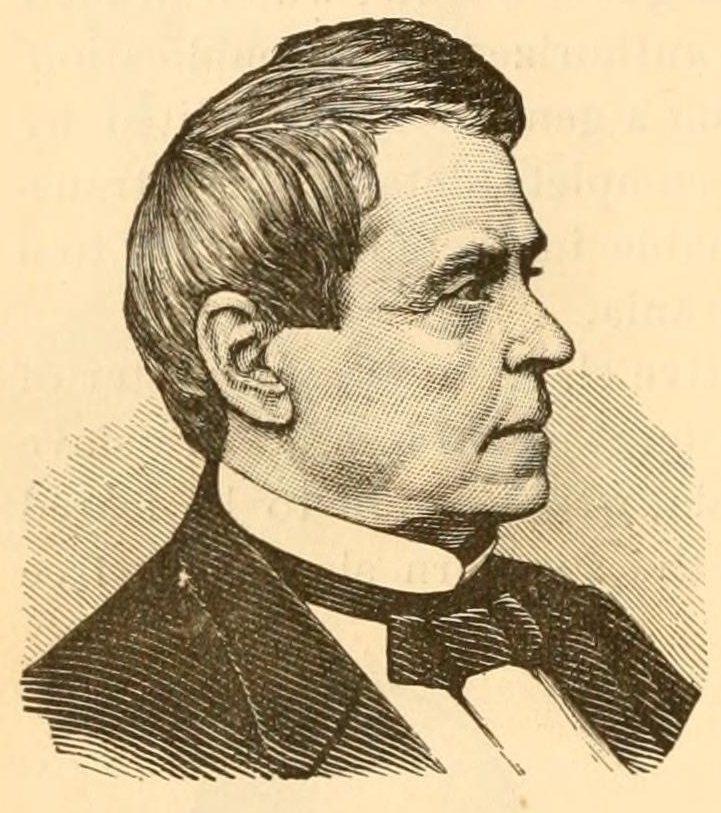
James Pollock
U.S.A.

Social Media

Personal Background
James Pollock demonstrated a robust educational foundation and extensive professional experience. He served multiple terms in the United States House of Representatives, where he supported significant technological advancements like the first telegraph line. Pollock transitioned to the governorship of Pennsylvania, where he navigated the state through the financial Panic of 1857. His leadership extended to the public sector, including a role as Director of the Philadelphia Mint and involvement with Lafayette College. Pollock was also a proponent of national infrastructure projects, notably predicting the timely completion of the transcontinental railroad. His contributions to public service were complemented by his commitment to Christian values, reflected in his advocacy for religious mottos on U.S. currency and his involvement in charitable organizations.
Political Ideas
James Pollock's political identity is marked by an intriguing blend of forward-thinking infrastructure advocacy and deeply rooted Christian values. He championed the nation's first telegraph line and envisioned a transcontinental railroad decades ahead of its actual completion, showcasing a visionary approach to economic development. Simultaneously, Pollock's insistence on embedding Christian mottos on U.S. coins and his active role in religious and charitable organizations reveal a strong ideological alignment with faith-based initiatives. This juxtaposition of progressive infrastructure proposals with staunch religious advocacy creates a distinctive and thought-provoking political persona.