William A. Egan
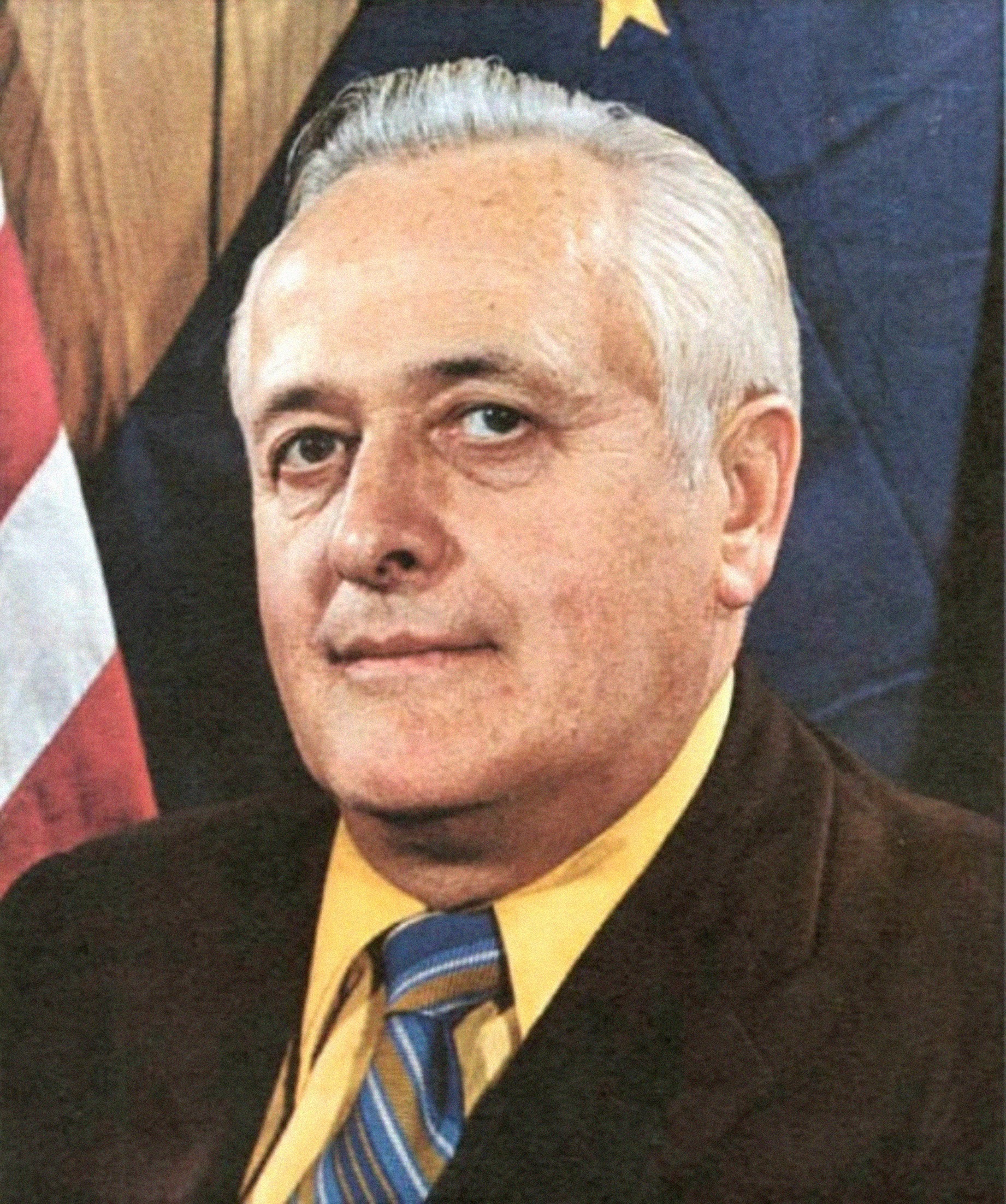
William A. Egan
U.S.A.

Social Media

Personal Background
William A. Egan, raised by a single mother following his father's death, demonstrated early work ethic and leadership by driving trucks for the Alaska Road Commission at age 14. He graduated as valedictorian from Valdez High School and was mentored by a prominent local lawyer. Egan transitioned from a working-class background to significant political roles, including serving in the Alaska Territorial House of Representatives and later the Territorial Senate. His foundational experience in local governance and mentorship by a seasoned politician provided a robust platform for his later leadership in Alaska's statehood efforts.
Political Ideas
William A. Egan's political identity is marked by a distinctive blend of localized economic advocacy and environmental stewardship. He consistently prioritized policies that supported local businesses and the working class, while also emphasizing sustainable development and conservation. Egan's approach reveals an intriguing tension between economic growth and ecological preservation, suggesting a highly calculated strategy to balance regional development with environmental integrity. His legislative record indicates a surprising alignment with opposing factions on environmental regulations, hinting at a nuanced understanding of regional industrial interests. Egan's rhetorical style likely framed these complex policy stances in a way that resonated deeply with his constituents.