Wally Hickel
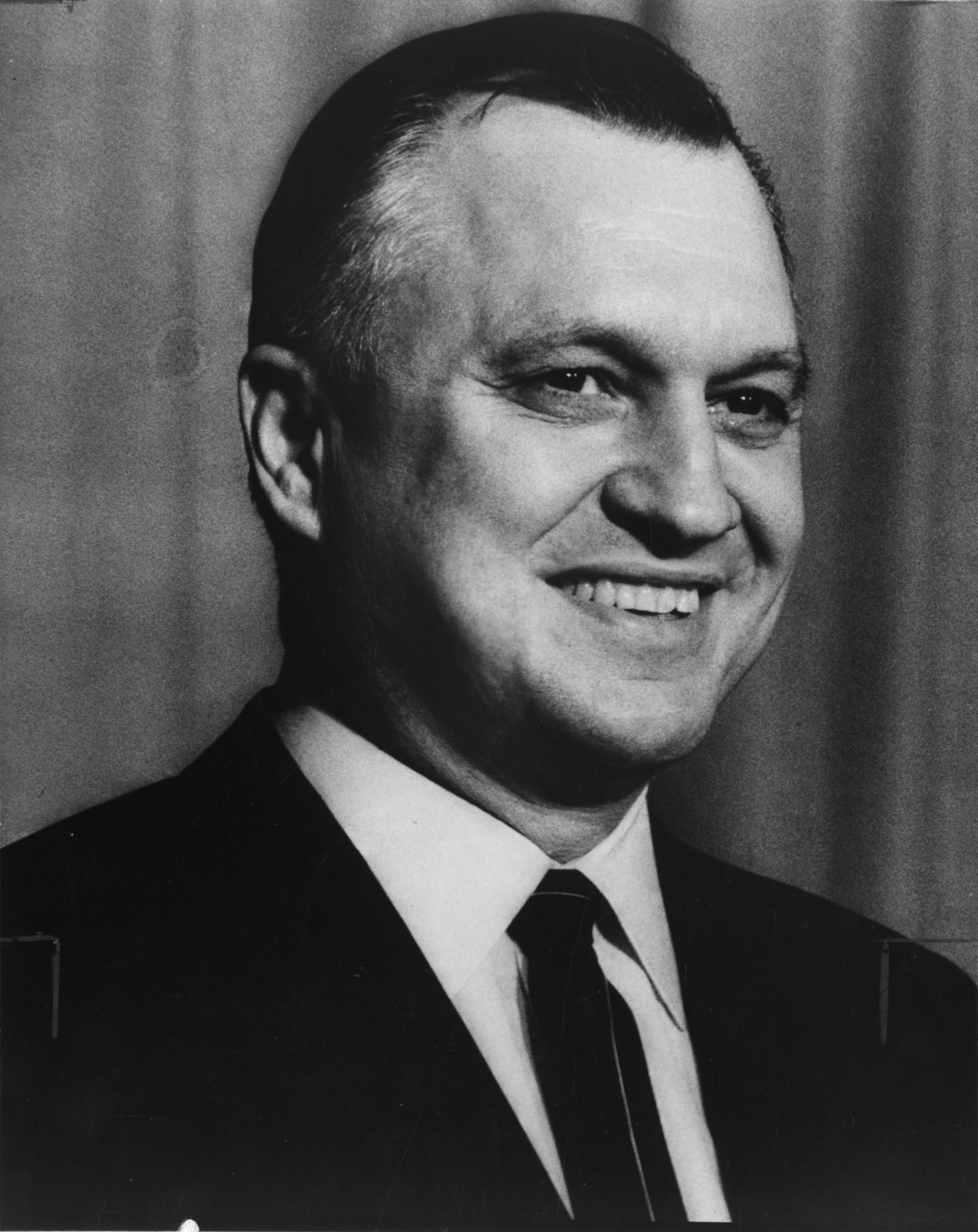
Wally Hickel
U.S.A.

Social Media

Personal Background
Wally Hickel established a successful construction company in the late 1940s, which he leveraged to build the Hotel Captain Cook in Anchorage, a significant project post-earthquake. He played a pivotal role in advocating for Alaskan statehood, contributing to its achievement in 1958. Hickel's business acumen is evidenced by the expansion of the Hotel Captain Cook, culminating in its recognition as a Historic Hotel of America in 2010. His professional career highlights a blend of entrepreneurial spirit and civic engagement, marked by a commitment to sustainable development and environmental protection.
Political Ideas
Wally Hickel's political identity is marked by a commitment to balancing economic growth with environmental responsibility, a stance that often places him at odds with traditional economic development paradigms. His advocacy for sustainable development in business practices reveals an ideological agility that defies conventional categorization. Hickel's rhetorical style is direct and uncompromising, as evidenced by his vocal criticism of political figures, including calling for the resignation of U.S. Senator Ted Stevens following his indictment. His unexpected convergence with opposing factions on environmental regulations hints at a highly calculated approach to protecting regional industrial interests.