Warren G. Harding
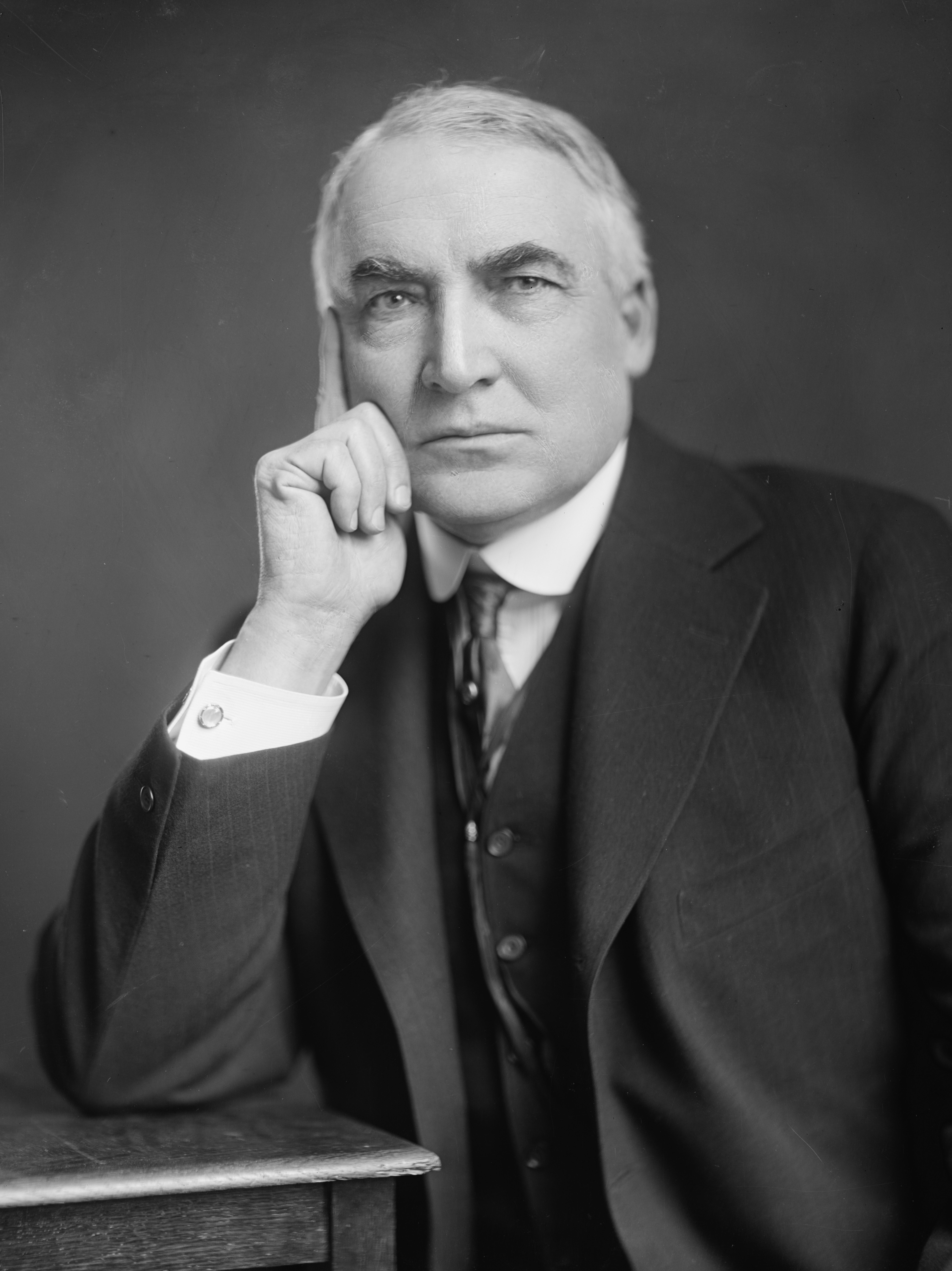
Warren G. Harding
U.S.A.

Social Media

Personal Background
Warren G. Harding began his career in public service, eventually rising to the position of Lieutenant Governor of Ohio before his election as the 29th President of the United States. His professional background includes significant experience in state-level governance, which likely contributed to his presidential campaign. Prior to his presidency, Harding held various roles that honed his leadership and political acumen. His career trajectory suggests a transition from state politics to national leadership, showcasing his ability to manage complex political environments.
Political Ideas
Warren G. Harding's political identity is marked by a blend of personal loyalty and administrative negligence. His appointments of friends and acquaintances, many of whom later engaged in corruption, reveal a deeply localized approach to governance. Harding's handling of the Veterans' Bureau scandal and the suicide of Jess Smith underscores a troubling disinterest in oversight. Despite his posthumous reputation as a man of peace, his administration's legacy is overshadowed by corruption, suggesting a complex interplay between personal ethics and political pragmatism.