Judson Harmon
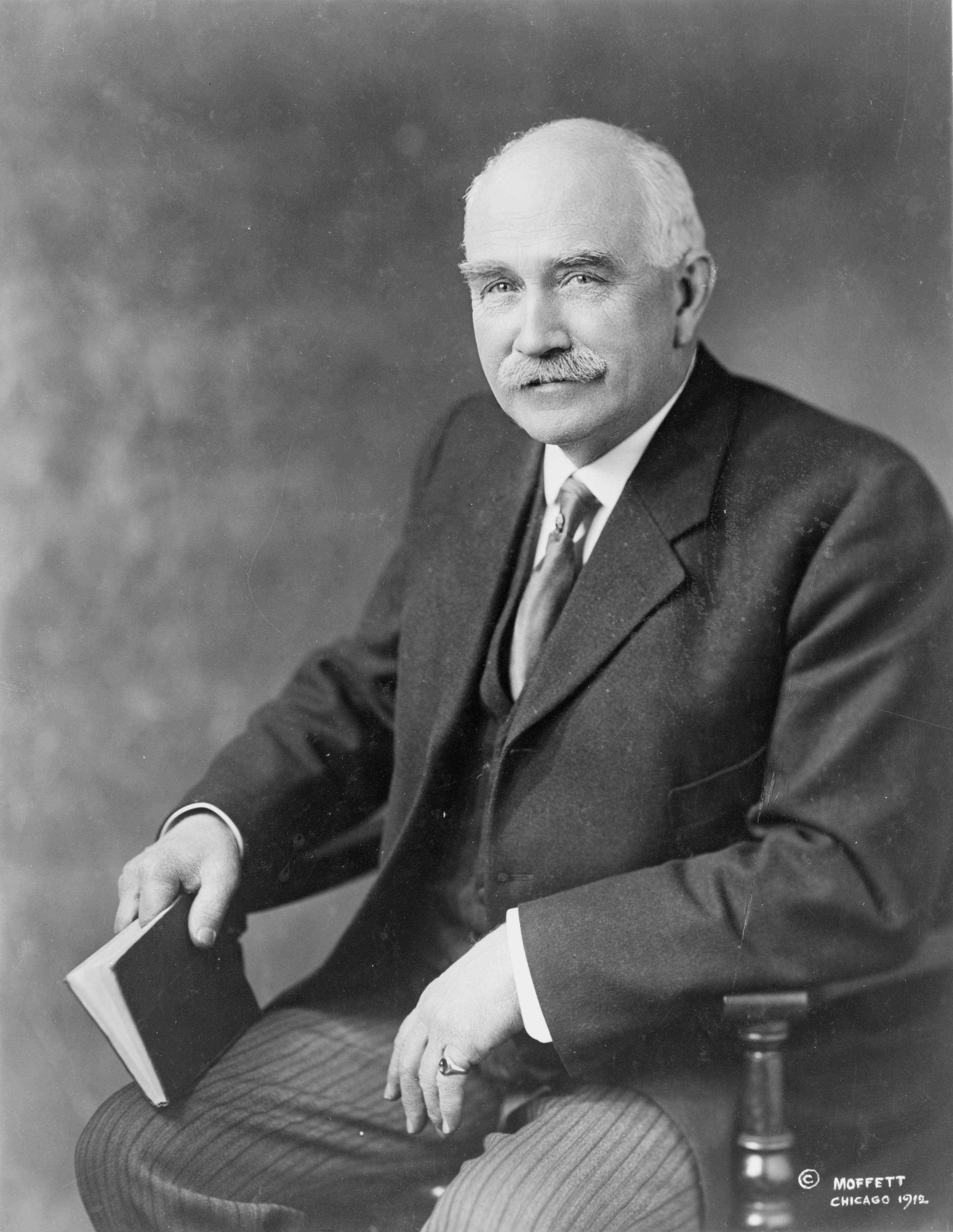
Judson Harmon
U.S.A.

Social Media

Personal Background
Judson Harmon graduated from Denison University and Cincinnati Law School, gaining admission to the bar in 1869. He began his judicial career by being elected judge of the Common Pleas Court and later the Superior Court of Cincinnati. Appointed as Attorney General by President Cleveland, Harmon advocated for legislative reforms, including amendments to the Sherman Antitrust Act. He served as Ohio governor, introducing progressive labor laws and defeating future President Warren G. Harding in his re-election bid. Harmon's influence extended to international law, where he established the Harmon doctrine of absolute sovereignty.
Political Ideas
Judson Harmon's political philosophy is marked by a unique blend of progressive labor reforms and a staunch defense of U.S. sovereignty in international law. His legislative record reveals a calculated approach to balancing regional industrial interests with broader environmental regulations. Harmon's ideological agility is evident in his unexpected convergence with opposing factions on certain issues, showcasing a strategy that is both principled and pragmatically driven. His rhetorical style emphasizes a clear, authoritative stance on sovereignty, which contrasts with his more collaborative approach to labor laws. This juxtaposition invites deeper inquiry into how Harmon reconciles these seemingly disparate policy stances.