Thomas Johnson
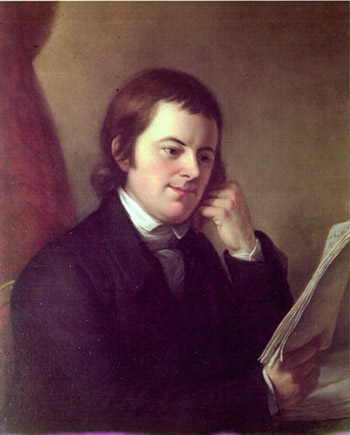
Thomas Johnson
U.S.A.

Social Media

Personal Background
Thomas Johnson began his career as a lawyer, admitted to the Maryland bar in the mid-18th century. He established a political career early, serving in the Maryland provincial assembly and later as a delegate to the Continental Congress. Johnson played a pivotal role in drafting Maryland's declaration of rights and served as the state's first governor during the Revolutionary War. His contributions extended to the federal judiciary, where he served as an Associate Justice of the United States Supreme Court. Johnson's legacy includes significant contributions to the establishment of the federal capital and his advocacy for the ratification of the United States Constitution.
Political Ideas
Thomas Johnson's political identity is marked by a surprising blend of progressive land policies and traditional military leadership. His advocacy for federal acquisition of Indian land contrasts sharply with his role as a senior brigadier general in the Maryland militia. Johnson's judicial career, including his service on the Supreme Court, reveals an ideological agility that defies simple categorization. His support for the ratification of the United States Constitution, coupled with his controversial stance on slavery, showcases a complex and multifaceted political philosophy.