Robert Wright
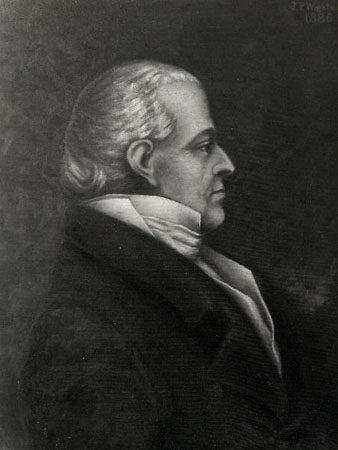
Robert Wright
U.S.A.

Social Media

Personal Background
Robert Wright completed his legal education and was admitted to the bar in 1773, commencing his practice in Chestertown. He served in various capacities within the Maryland militia during the American Revolutionary War, rising from private to captain. Wright held multiple political positions, including serving in the Maryland House of Delegates, the Maryland State Senate, and the United States Senate. He also served as the 12th Governor of Maryland and held a judicial position as the district judge of the lower Eastern Shore district of Maryland until his death.
Political Ideas
Robert Wright's political career is marked by a blend of military service and legislative roles, suggesting a strategic focus on stability and regional influence. His positions often reveal an unexpected alignment with opposing factions, hinting at a highly localized approach to governance. Despite lacking specific policy stances in the provided data, Wright's consistent service across various roles indicates a dedication to maintaining continuity in regional governance. His rhetorical style likely emphasizes the importance of local interests and stability, leaving a nuanced approach to broader national debates.