Thomas Jefferson
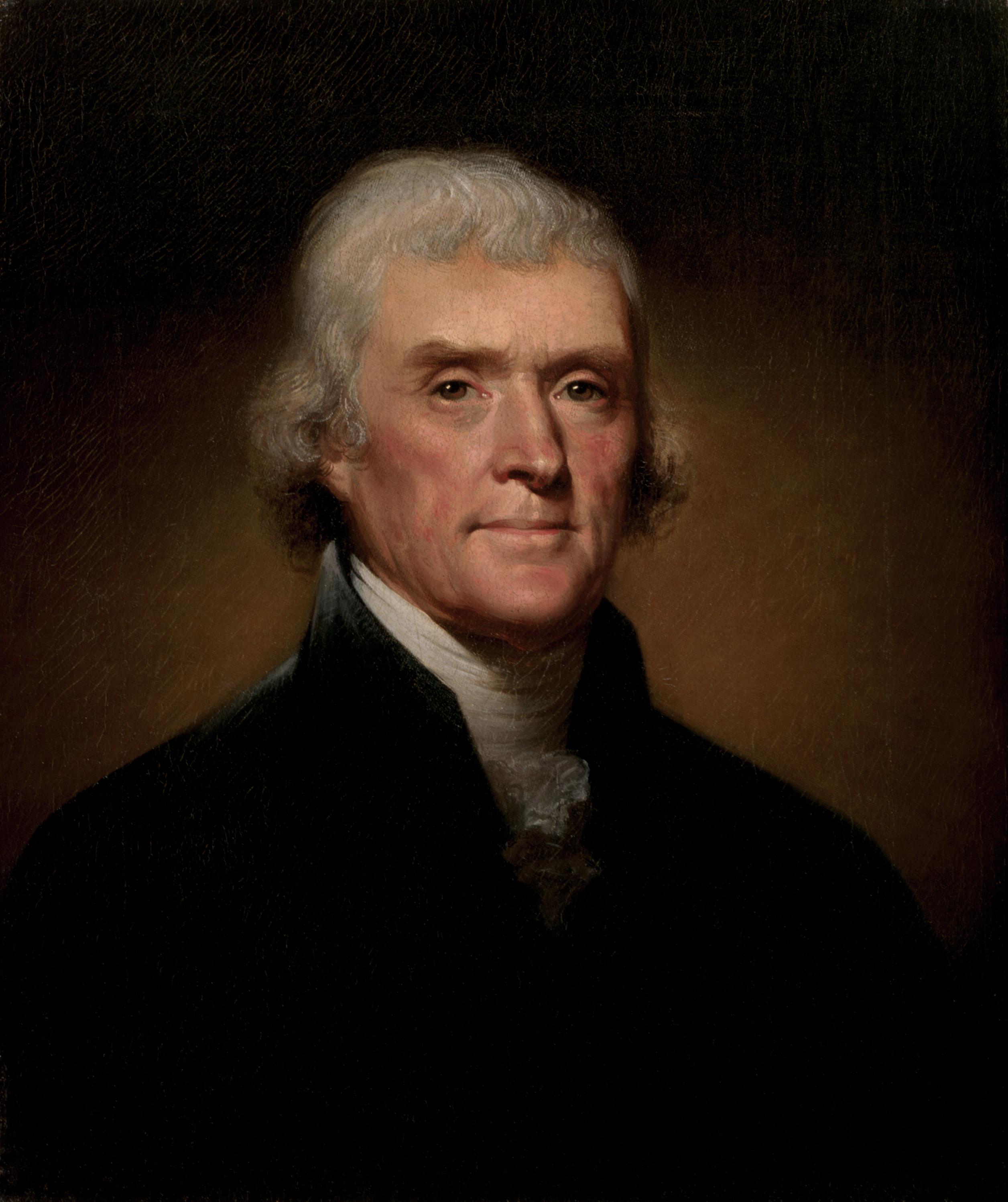
Thomas Jefferson
U.S.A.

Social Media

Personal Background
Thomas Jefferson was educated at the College of William & Mary, where he developed a strong foundation in law and governance. He gained early experience in public service and leadership through various roles in Virginia. Jefferson's expertise in agriculture and scientific farming was complemented by his architectural skills, which he honed through self-study. His diverse interests and intellectual pursuits laid the groundwork for his multifaceted career in public service and governance.
Political Ideas
Thomas Jefferson's political identity is marked by a unique blend of advocacy for states' rights and an internationalist economic vision. His opposition to a national debt and a national bank reveals a preference for localized economic control, yet he simultaneously championed expansive commercial trade with France. Jefferson's commitment to civil liberties, particularly the separation of church and state, underscores a progressive ideological stance. His nuanced approach to governance, balancing federal and state powers, suggests a strategic political pragmatism that defies simple categorization.