George Washington
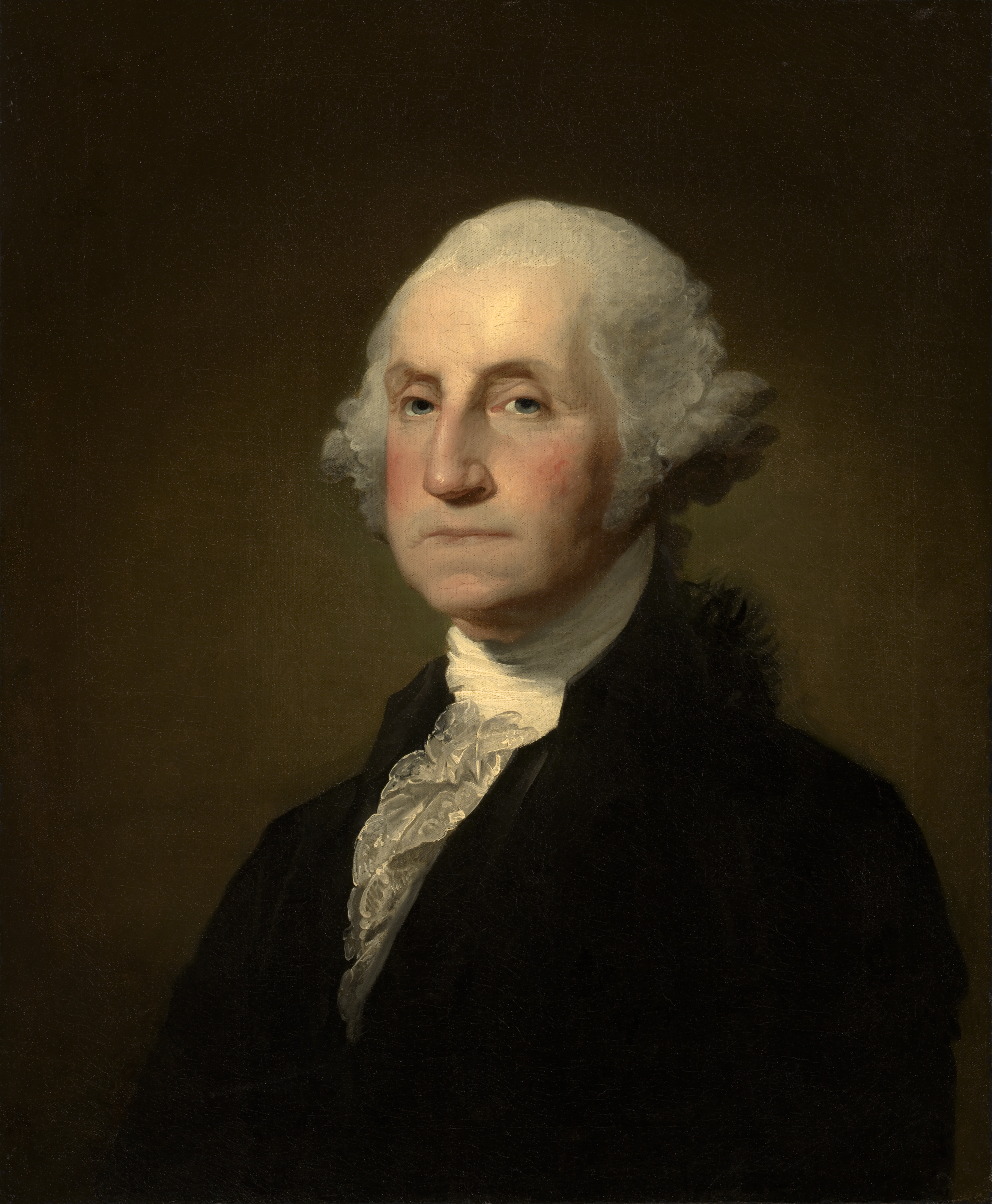
George Washington
U.S.A.

Social Media

Personal Background
George Washington demonstrated early aptitude in surveying, earning a license and managing significant land assessments before his mid-twenties. His military experience began with a diplomatic mission to the French, escalating to his leadership of the Continental Army during the American Revolutionary War. Washington's marriage to Martha Dandridge Custis brought him wealth and social standing, facilitating his entry into political life. He transitioned from local militia officer to commander-in-chief, showcasing adaptability and strategic acumen. Washington's post-war activities included agricultural diversification and infrastructural improvements at Mount Vernon, reflecting his entrepreneurial spirit and commitment to economic self-sufficiency.
Political Ideas
George Washington's political identity is marked by an intriguing blend of ideological pragmatism and principled conservatism. His economic policies, which shifted from tobacco to more diversified crops, reveal a strategic foresight that balances regional economic interests with broader national growth. Washington's military stance initially excluded Black soldiers but later included them, showcasing a tactical adaptation in response to external pressures. His governance approach, deeply critical of British policies, underscores a commitment to self-determination and local governance. Washington's reserved personality and moral opposition to certain social vices suggest a leadership style that values discipline and personal integrity.