Theodore Roosevelt
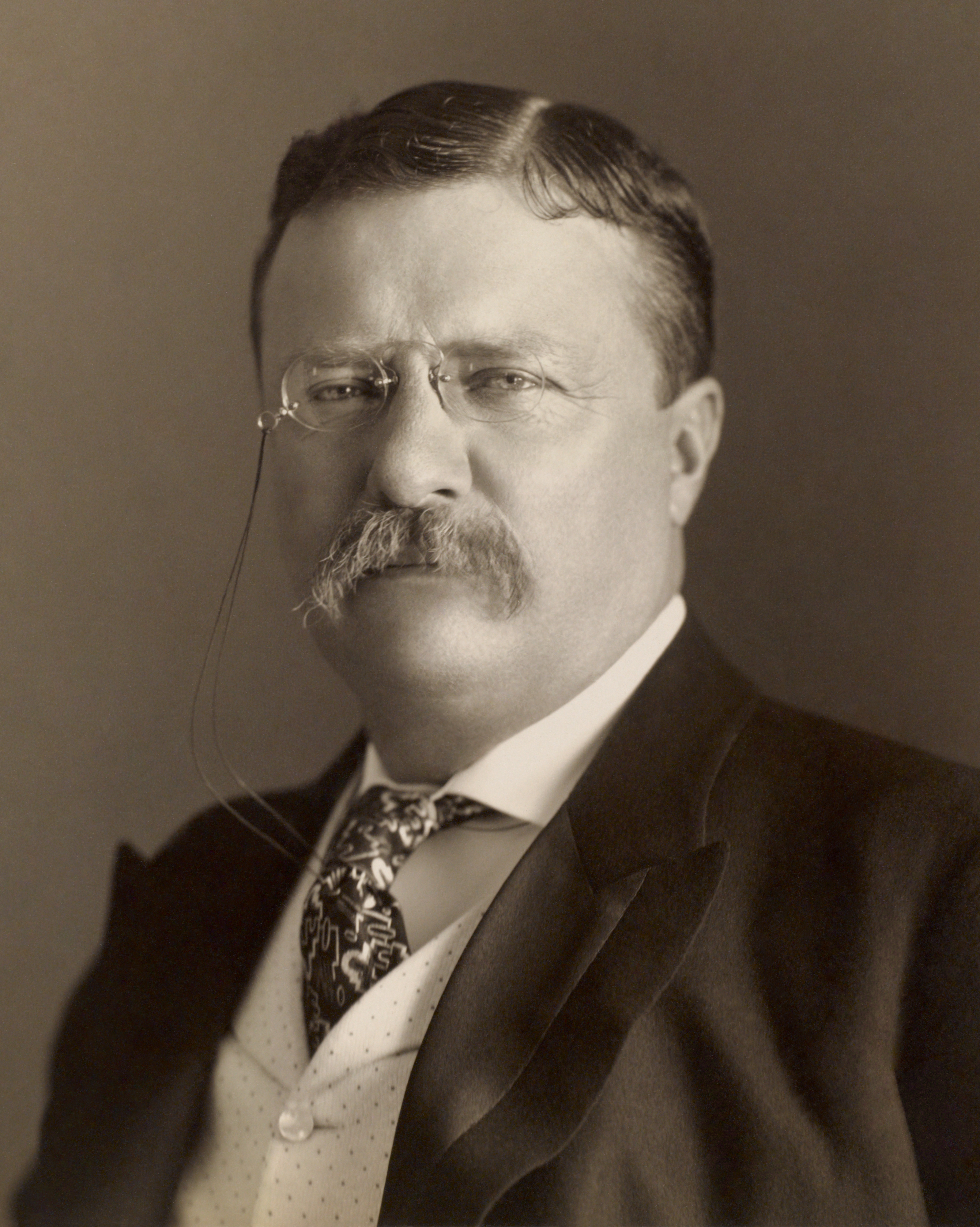
Theodore Roosevelt
U.S.A.
Social Media

Personal Background
Theodore Roosevelt exhibited a robust academic foundation and diverse professional experience that shaped his leadership capabilities. He developed a strong interest in zoology during his youth and engaged in physical exercise to manage health challenges. He transitioned from a political career in the New York State Assembly to managing a cattle ranch in the Dakota Territory, where he organized local ranchers and founded a conservation club. Roosevelt later served in various public roles, including the Civil Service Commission and New York City Police Commissioner, where he implemented reforms and advocated for merit-based systems. His military experience during the Spanish–American War further demonstrated his leadership in high-pressure situations. These experiences collectively honed his skills in governance, public service, and leadership.
Political Ideas
Theodore Roosevelt's political identity is marked by an unusual blend of progressive social policies and a strong emphasis on law and order. He navigated complex policy terrain by advocating for corporate responsibility and equitable taxation while simultaneously promoting conservation and expanding federal roles. His military and foreign policy stances reveal a calculated approach to global presence, balancing aggressive naval build-up with controversial annexations. Roosevelt's rhetorical style and policy stances compel further exploration into how he reconciled these seemingly disparate elements.