Stephen A. Douglas
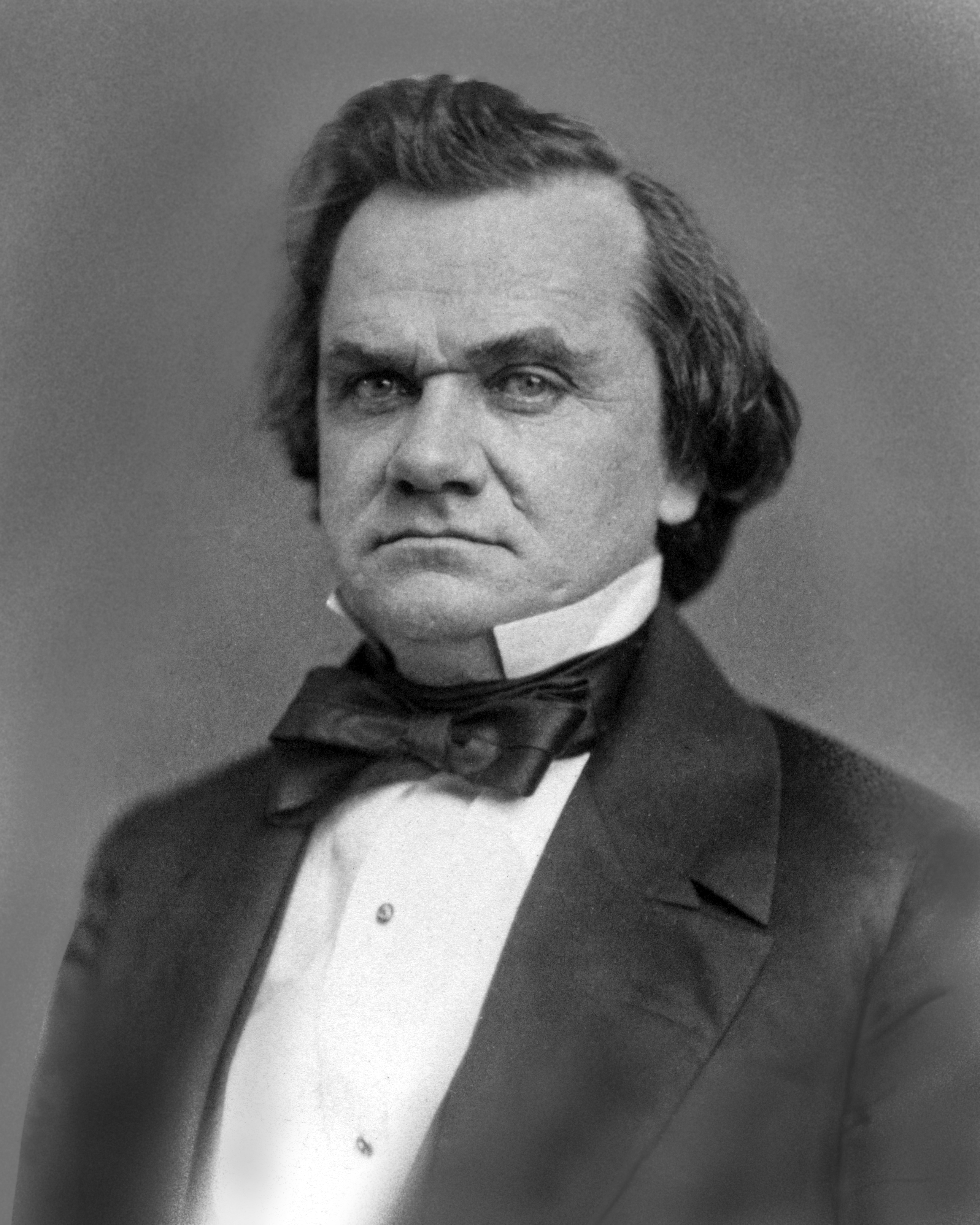
Stephen A. Douglas
U.S.A.

Social Media

Personal Background
Stephen A. Douglas studied law and practiced in various locations before receiving a license to practice in 1834. He married into wealth and had children, though faced personal tragedies with the deaths of his wife and daughter. Douglas held significant land holdings and transitioned from private practice to public service. His educational background and legal expertise laid the groundwork for a career marked by advocacy for popular sovereignty and states' rights.
Political Ideas
Stephen A. Douglas's political philosophy is marked by a distinctive blend of ideological flexibility and calculated pragmatism, particularly in his approach to slavery through popular sovereignty. He notably diverged from the moral condemnation of slavery, framing it instead as a practical issue best resolved by local governance. His Freeport Doctrine further reveals a willingness to challenge Supreme Court decisions, emphasizing the power of popular will over judicial authority. Douglas's commitment to states' rights and limited government showcases an ideological consistency that, when paired with his nuanced stance on slavery, presents a complex and intriguing political identity.