Abraham Lincoln
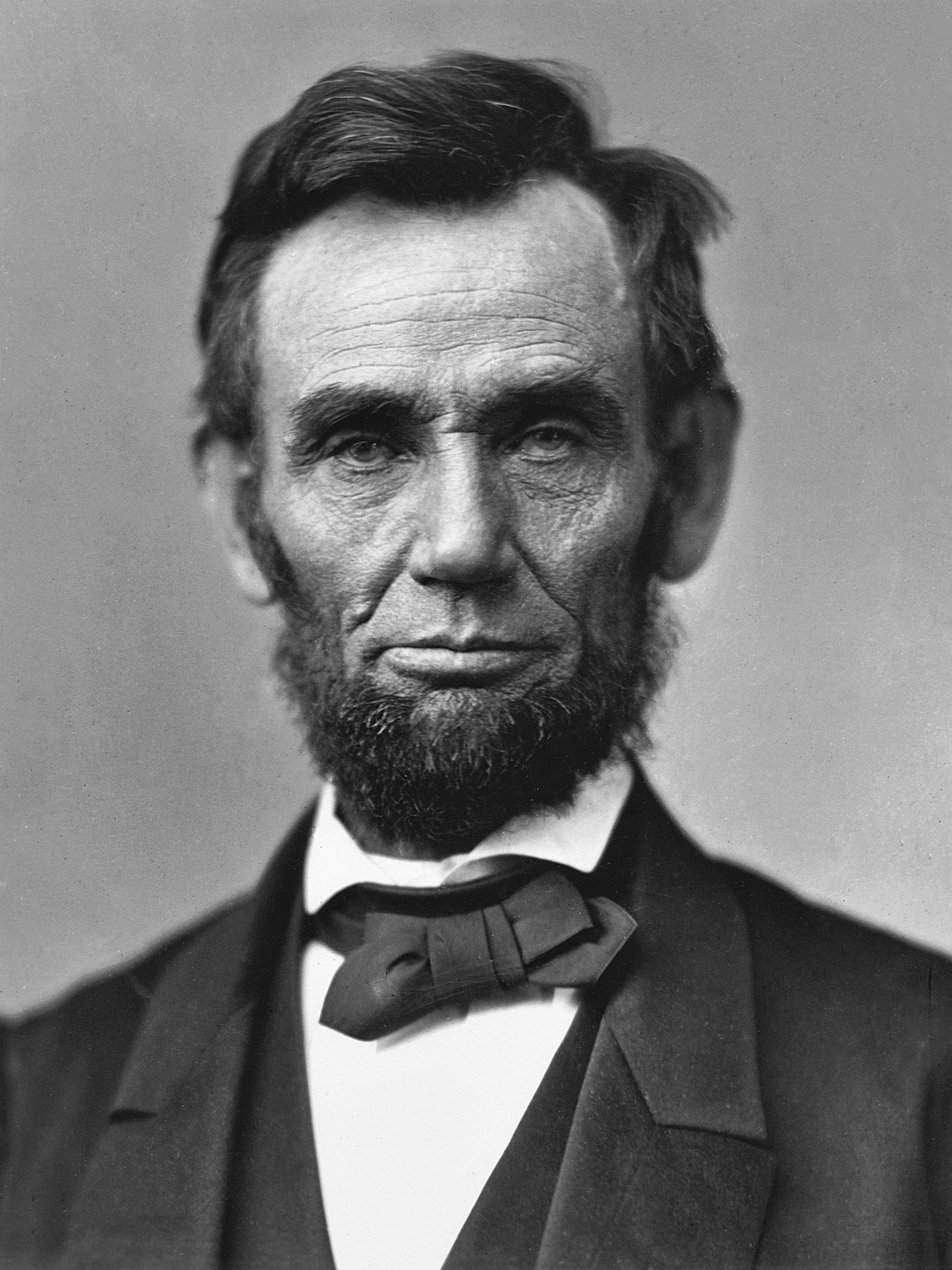
Abraham Lincoln
U.S.A.

Social Media

Personal Background
Abraham Lincoln's foundational background is characterized by a commitment to republicanism and a dedication to the principles of equality and the preservation of the Republic. He emphasized the Declaration of Independence as a cornerstone of republicanism and redefined it to include equality as a fundamental principle. Professionally, Lincoln's expertise was rooted in a conservative approach to governance, advocating for high tariffs, banks, infrastructure improvements, and railroads. His leadership capabilities were evident in his ability to navigate complex political landscapes and his unwavering stance against secession. Despite personal health challenges, Lincoln's physical presence and intellectual rigor contributed to his effectiveness in leadership roles.
Political Ideas
Abraham Lincoln's political identity is marked by a redefined republicanism that interweaves equality with reverence for the Founding Fathers, presenting an ideological tension between progressive principles and conservative foundations. His economic policy stance, favoring high tariffs and infrastructure improvements, contrasts with his later support for granting the franchise to some Black men, revealing an unexpected alignment of regional industrial interests with civil rights. Lincoln's rhetorical style, deeply rooted in the Declaration of Independence, emphasizes a calculated approach to policy that balances ideological consistency with pragmatic necessities.