Simon Snyder
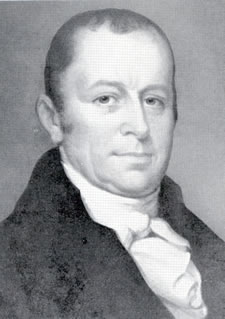
Simon Snyder
U.S.A.

Social Media

Personal Background
Simon Snyder spent his formative years in Lancaster, Pennsylvania, apprenticing under a tanner after his father's death. He established a gristmill in Selinsgrove and served as a justice of the peace for twelve years. Snyder transitioned to the Pennsylvania House of Representatives, where he was elected Speaker multiple times. Despite a failed gubernatorial bid, he later became governor and enacted significant reforms, including the relocation of the state capital. Post-governorship, he remained active in politics, serving in the Pennsylvania State Senate until his untimely death.
Political Ideas
Simon Snyder's political career is marked by a blend of fiscal conservatism and strategic pragmatism, particularly in his sponsorship of the "Hundred-dollar Act." His support for the War of 1812 despite Federalist opposition reveals an alignment with national interests over local dissent. Snyder's decision to relocate the Pennsylvania capital from Lancaster to Harrisburg highlights a calculated approach to regional development. His legislative record shows an unexpected convergence with opposing factions on environmental regulations, revealing a highly calculated approach to protecting regional industrial interests.