Thomas McKean
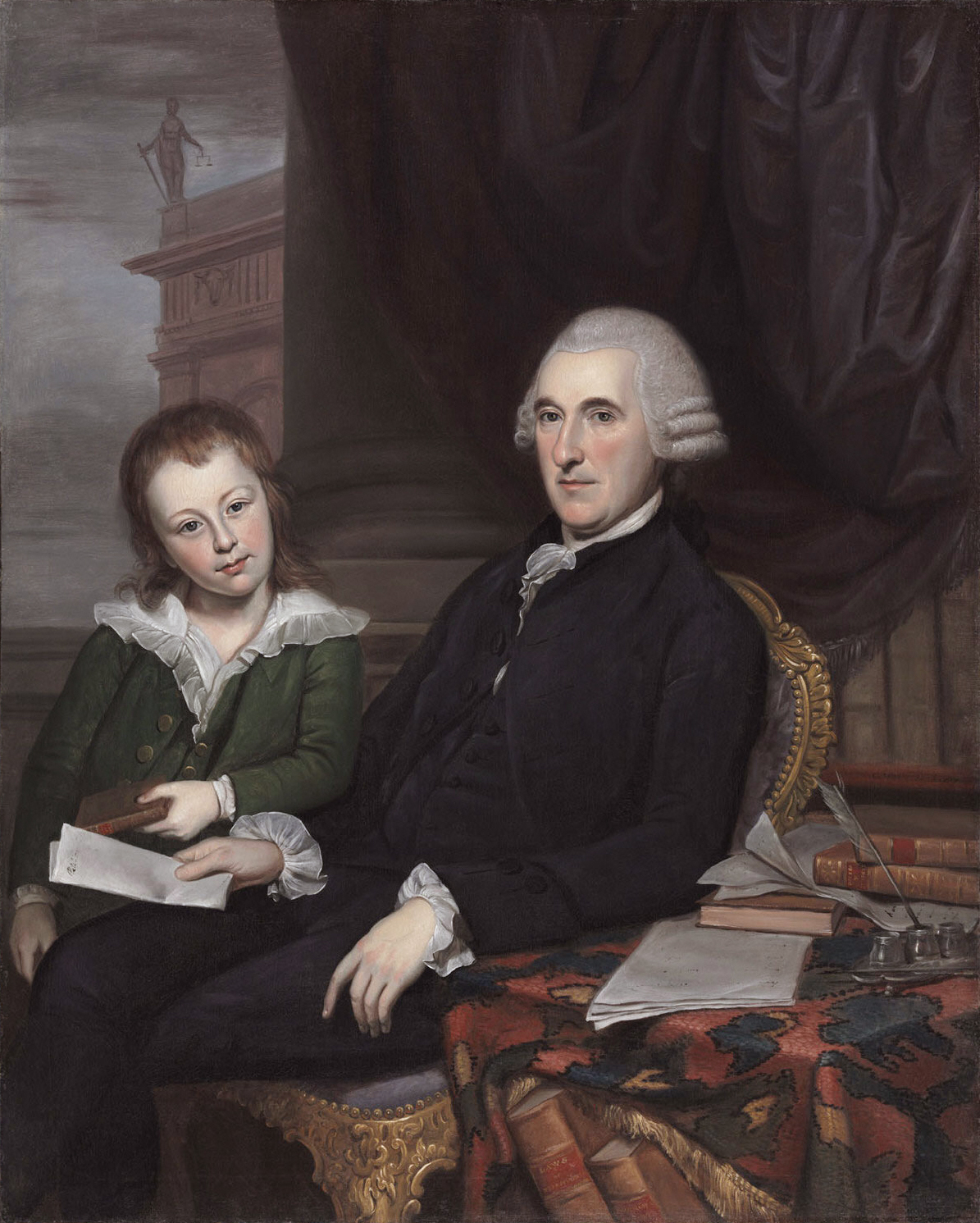
Thomas McKean
U.S.A.

Social Media

Personal Background
Thomas McKean completed his studies in the mid-18th century and was admitted to the bar, establishing a foundation in law. He held various judicial positions, including deputy attorney general and judge of the Court of Common Pleas, before becoming a delegate to the Continental Congress. McKean played a pivotal role in drafting Delaware's state constitution and advocating for American independence. He later served as chief justice of Pennsylvania, where he focused on penal reform and the rights of defendants. McKean transitioned into political leadership, serving multiple terms as governor of Pennsylvania and organizing defense efforts during the War of 1812.
Political Ideas
Thomas McKean's political philosophy is marked by a calculated blend of federalism and judicial advocacy, often advocating for state rights while supporting strong executive and judicial powers. His stance on penal reform and defendant rights underscores a progressive judicial approach, yet he was notably cautious on social issues like women's rights and slavery abolition. McKean's rhetorical style is characterized by a strategic alignment with opposing factions to achieve regional industrial protection, revealing an ideologically agile yet principled approach.