Samuel Livermore
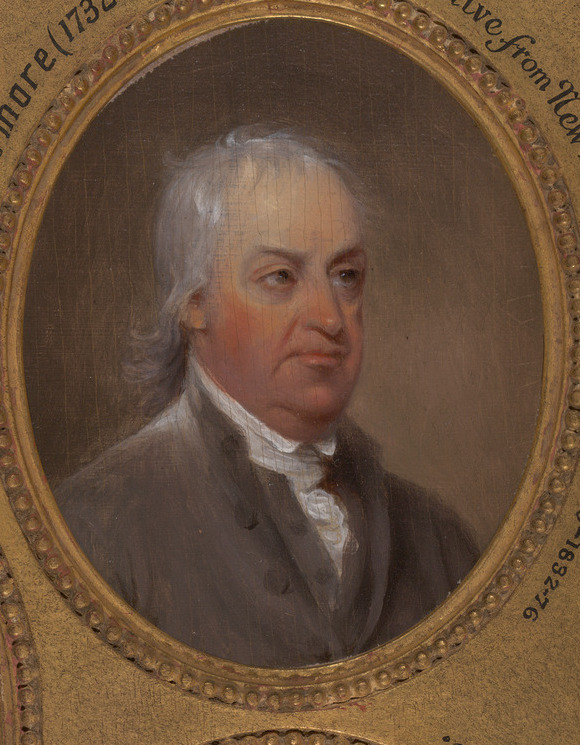
Samuel Livermore
U.S.A.

Social Media

Personal Background
Samuel Livermore graduated from the College of New Jersey and was admitted to the bar in 1756. He practiced law in Waltham and later Portsmouth, gaining significant experience in the legal field. Livermore held various judicial and legislative positions, including serving as judge-advocate in the Admiralty court and Attorney General, and as chief justice of the New Hampshire Superior Court of Judicature. He was a member of the Continental Congress and later served in the United States House of Representatives and Senate, where he chaired the House Committee on Elections.
Political Ideas
Samuel Livermore's political career reveals a highly localized approach, balancing regional interests with broader national concerns. His opposition to the Fugitive Slave Act of 1793 juxtaposes with his service in judicial roles, suggesting a nuanced stance on federal versus state authority. Livermore's long tenure in various legislative bodies, including the Continental Congress and the U.S. Senate, indicates a calculated and ideologically agile approach to governance.