John Sullivan
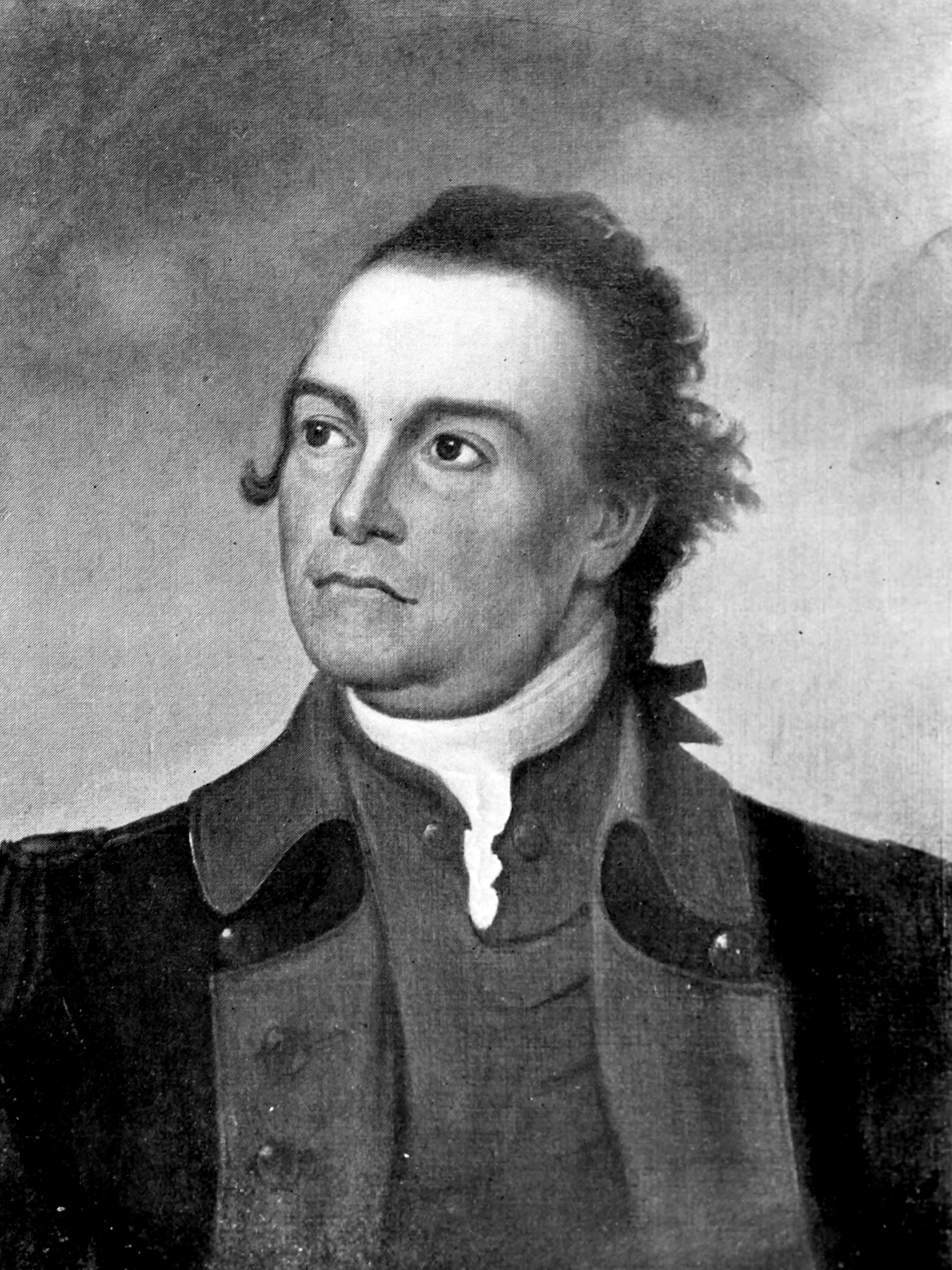
John Sullivan
U.S.A.

Social Media

Personal Background
John Sullivan, a descendant of Irish settlers, read law and began practicing in the mid-18th century. He transitioned from legal practice to leadership roles in the militia, eventually becoming a brigadier general and later a major general during the Revolutionary War. Sullivan held significant political positions, including serving as a delegate to the Continental Congress and later as president of New Hampshire. His career also included roles as New Hampshire Attorney General and a judge on the United States District Court for the District of New Hampshire.
Political Ideas
John Sullivan's political identity is marked by a blend of strategic pragmatism and ideological rigidity, particularly in his military and economic policies. He championed financial support from France during the Revolutionary War while simultaneously advocating for a strong, centralized military command. Sullivan's legislative record reveals an unexpected convergence with opposing factions on environmental regulations, suggesting a highly calculated approach to protecting regional industrial interests. His rhetoric often oscillates between appeals to national unity and regional autonomy, creating a compelling tension that invites deeper inquiry into his motivations.