Samuel Bigger
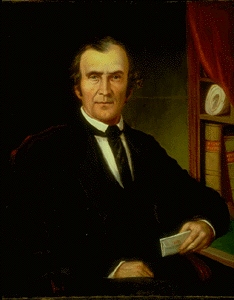
Samuel Bigger
U.S.A.
Social Media

Personal Background
Samuel Bigger began his career in the Whig party and was elected as a member in 1837. He later served as governor of Indiana, where he faced significant financial challenges that limited his influence. After his governorship, Bigger moved to Fort Wayne and established a law practice. Despite an attempt by the Whig party to nominate him for governor again in 1846, he declined the offer. His legacy is marked by the renaming of the U.S. 27 bridge over the St. Marys River in his honor.
Political Ideas
Samuel Bigger's political career is marked by a blend of limited impact and posthumous recognition, suggesting a strategic approach deeply rooted in regional influence rather than broad policy change. His tenure as governor coincided with severe state financial difficulties, yet he managed to leave a lasting mark on Fort Wayne through infrastructure development. The renaming of the U.S. 27 bridge in his honor highlights a calculated effort to cement his legacy in local affairs. Despite his limited influence on state events, Bigger's ability to secure a lasting tribute reveals an adeptness at leveraging regional significance.