James Whitcomb
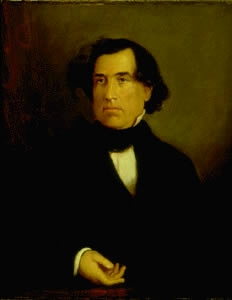
James Whitcomb
U.S.A.

Social Media

Personal Background
James Whitcomb spent significant time in public service, including a tenure in the United States Senate. He was known for his opposition to tariffs, a stance that gained renewed attention posthumously. Whitcomb's career also included leadership roles in religious and educational organizations. He made notable contributions to higher education and religious societies, bequeathing his library to a university and supporting the American Bible Association. Whitcomb's legacy is marked by his lasting influence on Indiana's political and educational landscape.
Political Ideas
James Whitcomb's political identity is marked by a staunch opposition to tariffs, a stance that contrasts sharply with his contemporary Benjamin Harrison. His ideological rigidity on this issue is evident in his pamphlet, which gained renewed traction posthumously. Whitcomb's rhetorical style likely emphasized the economic detriments of tariffs, appealing to regional industrial interests. Despite his unpopularity, Whitcomb's legacy is preserved through monuments and his contributions to education, suggesting a calculated approach to his legacy and influence.