Sam Houston
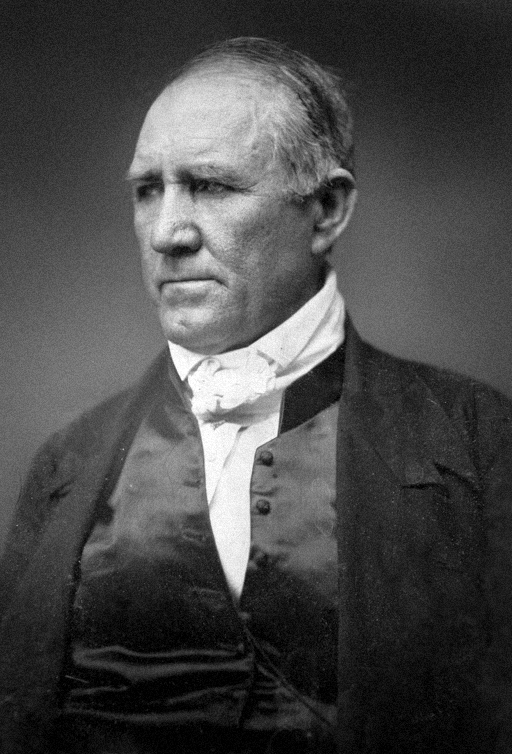
Sam Houston
U.S.A.

Social Media

Personal Background
Sam Houston exhibited a diverse range of experiences and skills that laid the groundwork for his leadership capabilities. He began his career in the military, rising to the rank of third lieutenant during the War of 1812. After his military service, he transitioned into political roles, including serving as district attorney and governor of Tennessee. His expertise in Native American relations was demonstrated through his work with the Cherokee. Houston's leadership was further tested and refined during the Texas Revolution, where he commanded the Texian Army and secured Texas' independence from Mexico. His ability to navigate complex political landscapes was evident in his terms as President of the Republic of Texas and later as governor of the state of Texas.
Political Ideas
Sam Houston's political identity is marked by an intriguing blend of regional pragmatism and ideological flexibility, particularly in his approach to statehood and annexation. His military leadership during the Texas Revolution and subsequent political career reveal a knack for navigating complex regional interests, as seen in his efforts to normalize relations with Mexico and court European powers for Texas's annexation. Houston's advocacy for internal improvements and homesteader land access juxtaposes with his opposition to slavery, hinting at a multifaceted policy framework that balances economic growth with moral considerations.