Rufus King
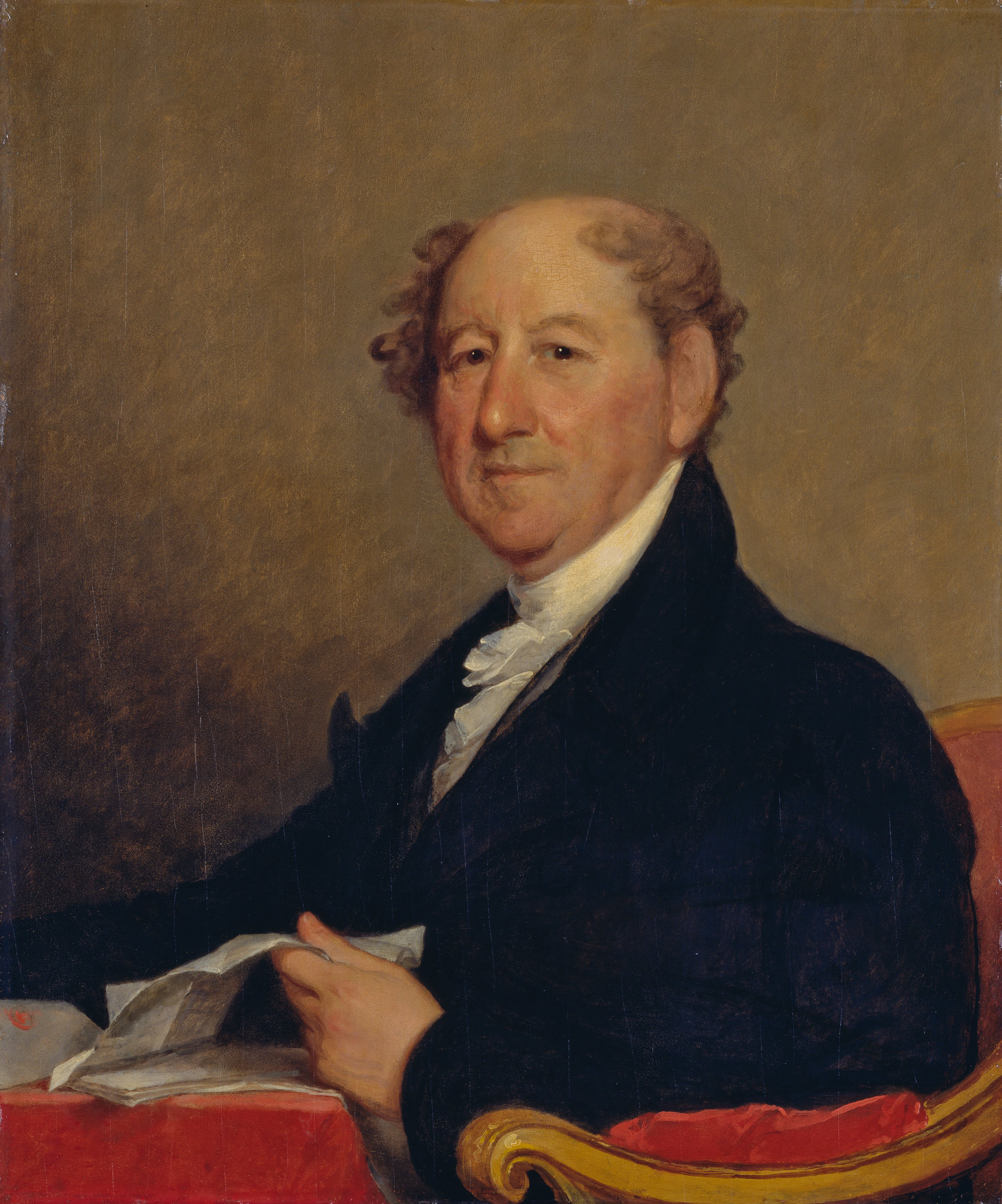
Rufus King
U.S.A.

Social Media

Personal Background
Rufus King graduated from Harvard College and began a legal practice in Newburyport, Massachusetts. He volunteered for militia duty during the American Revolutionary War and served as an aide to General John Sullivan. King held diplomatic positions as minister to the Court of St James's, where he played a significant role in reaching compromises and opposing potential Irish immigration. He was a prominent opponent of slavery, adding provisions to the Northwest Ordinance and advocating for the abolition of the domestic slave trade. King's extensive library, which he amassed over his lifetime, was later donated to the New-York Historical Society.
Political Ideas
Rufus King's political identity is marked by a complex blend of economic conservatism and evolving humanitarian principles. He initially supported Alexander Hamilton's fiscal programs and the establishment of the First Bank of the United States, yet later opposed the reopening of the Second Bank. His stance on slavery is equally paradoxical, having owned slaves himself but becoming a staunch abolitionist, advocating for the end of the domestic slave trade and opposing the extension of slavery into new territories. King's diplomatic career reveals a pragmatic yet selective approach, as he successfully negotiated the Jay Treaty while simultaneously opposing Irish immigration. This intricate balance of positions invites deeper inquiry into his ideological motivations and strategic calculations.