James Monroe
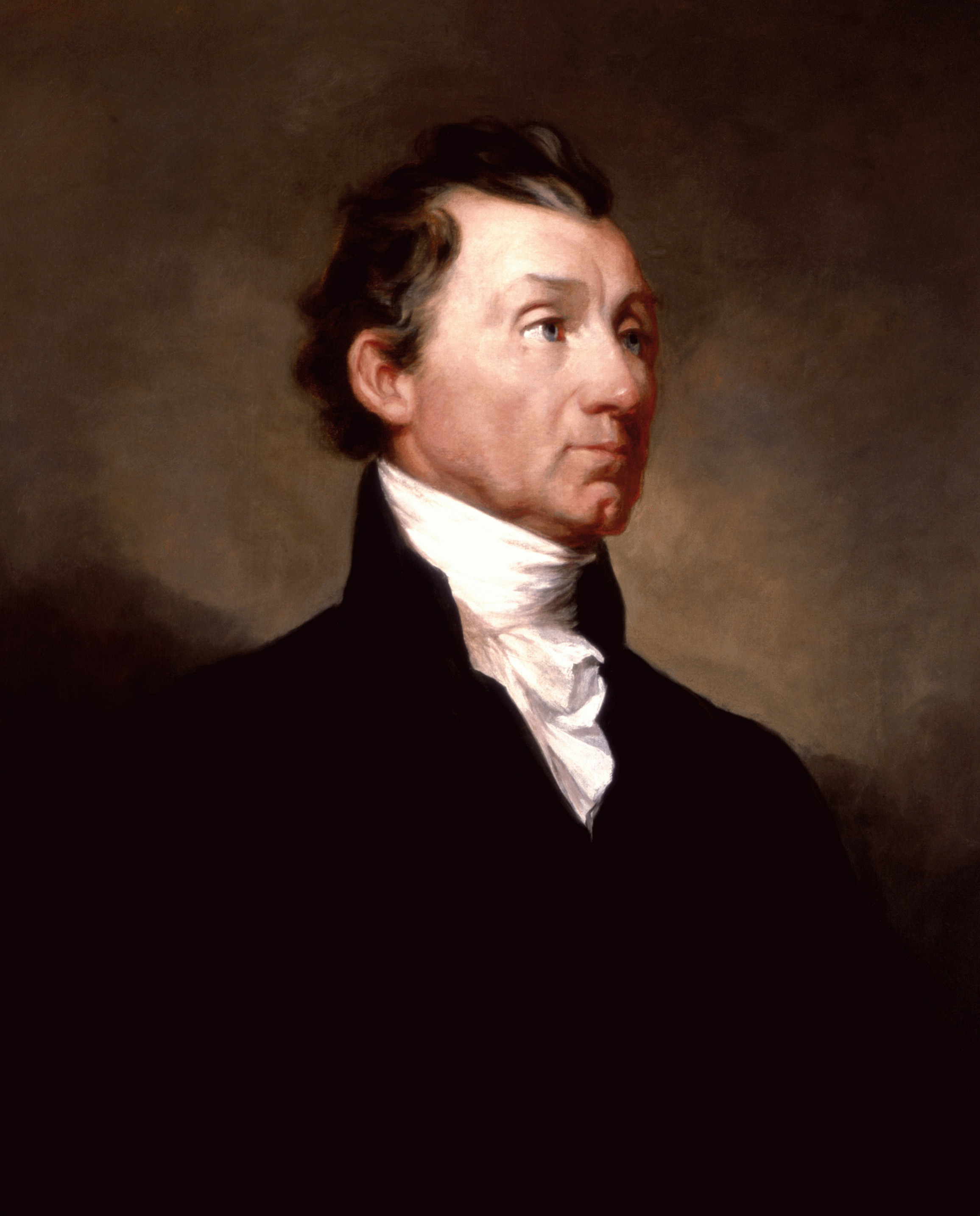
James Monroe
U.S.A.

Social Media

Personal Background
James Monroe received a rigorous education, attending Campbelltown Academy and the College of William & Mary, where he studied Latin and mathematics. He served in the Revolutionary War, rising from lieutenant to captain, and played a role in significant campaigns and battles. After the war, he studied law and held various military and political appointments, including serving as a military commissioner. Monroe's post-presidency activities included hosting notable figures and working on an autobiography. His career achievements and transitions demonstrate a strong foundation in leadership and public service.
Political Ideas
James Monroe's political identity is marked by a blend of fiscal conservatism and a robust advocacy for military preparedness. Monroe's approach to economic policy reveals a tension between his advocacy for fiscal responsibility and his support for military expenditure, suggesting a calculated prioritization of defense as a safeguard for national stability. His emphasis on military drills in education underscores an ideological agility, merging civic duty with discipline. Monroe's diplomatic endeavors, particularly his service in France, reveal an internationalist streak that contrasts with his domestic policy focus, hinting at a nuanced understanding of global dynamics. Monroe's personal integrity and commitment to public service further complicate his ideological profile, presenting a leader who balances idealism with pragmatic governance.