Reuben Kolb
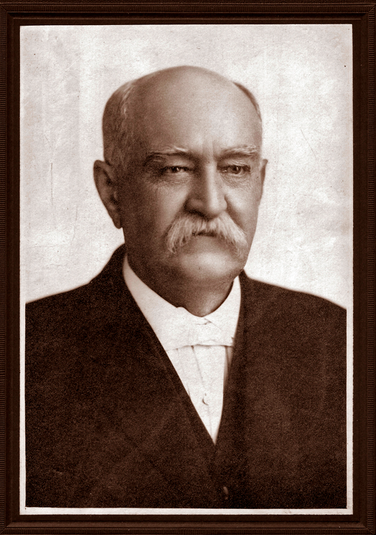
Reuben Kolb
U.S.A.

Social Media

Personal Background
Reuben Kolb was born into a privileged life as a Black Belt planter and merchant. After experiencing significant financial setbacks, he successfully transitioned into managing the Eufaula theater and became a truck farmer and developer/distributor of seed stock. During the Civil War, he commanded a Confederate artillery unit. Kolb later became the first Alabama commissioner of agriculture, advocating for economic reforms and modern agricultural practices. Despite initial support for black political rights, he eventually supported disenfranchisement and retreated from advocating for Black rights.
Political Ideas
Reuben Kolb's political journey reveals a complex ideological evolution marked by unexpected shifts and calculated policy choices. Initially advocating for black political rights and economic reforms for poor farmers, Kolb later supported disenfranchisement and aligned with white supremacy. His attempts to form a coalition of black voters and disenchanted white Populists in 1894 ended in failure, leading him to abandon his earlier stances. This strategic oscillation between progressive and regressive positions highlights a highly localized approach, deeply influenced by regional and electoral pressures.