William C. Oates
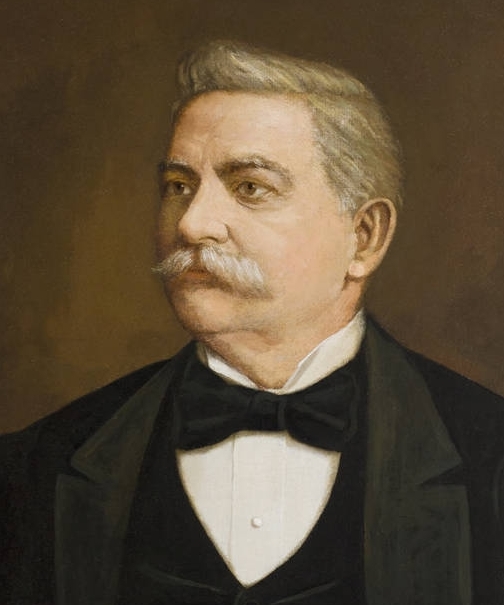
William C. Oates
U.S.A.

Social Media

Personal Background
William C. Oates studied law and practiced in Alabama, gaining foundational legal expertise. He served in the Confederate States Army, rising to colonel and demonstrating leadership in significant battles, including Gettysburg. Post-war, Oates resumed his law career and engaged in state politics, serving in the Alabama House of Representatives and U.S. House of Representatives. He was elected governor of Alabama and later served as a brigadier general during the Spanish–American War.
Political Ideas
William C. Oates blends a staunch defense of Confederate military history with a pragmatic approach to governance, as evidenced by his legislative service and governorship. His belief that capturing Little Round Top could have altered the outcome of the Battle of Gettysburg showcases a revisionist historical perspective. Despite his Confederate allegiance, Oates's post-war political career, including service in the U.S. House of Representatives, reveals an adaptable ideological stance. His efforts to honor fallen comrades with a Gettysburg monument highlight a commitment to veterans' recognition that transcends political divides.