Newton Cannon
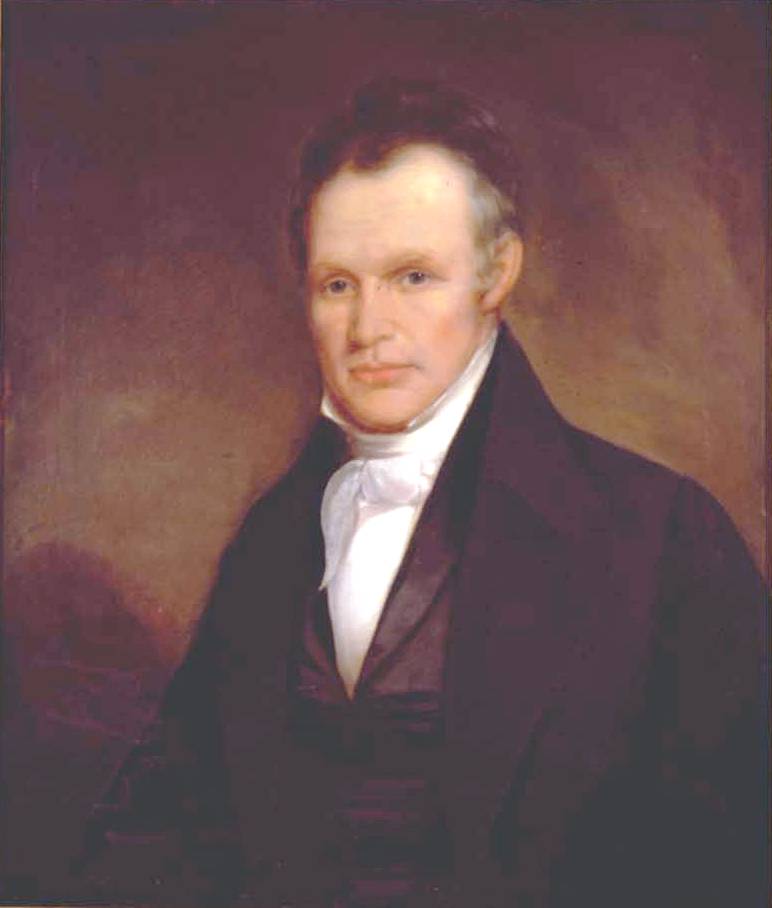
Newton Cannon
U.S.A.

Social Media

Personal Background
Newton Cannon, born in Guilford County, North Carolina, relocated to Williamson County, Tennessee during his youth. He pursued a diverse array of occupations, including saddler, merchant, surveyor, and law studies, before becoming a planter. Cannon entered political office in 1811, serving in the Tennessee state senate and later in the U.S. House of Representatives. His military experience includes serving as a colonel in the Creek War of 1813, and he negotiated a treaty with the Chickasaw in 1819. Cannon's multifaceted career and leadership roles underscore his broad experience in both public service and private sector endeavors.
Political Ideas
Newton Cannon's political identity is marked by a blend of regional loyalty and calculated strategic alliances, as evidenced by his unexpected convergence with opposing factions on environmental regulations. His legislative record suggests a highly localized approach, balancing regional industrial interests with broader political dynamics. Cannon's rhetorical style is steeped in a historical narrative, drawing on his family's legacy and personal history to frame contemporary issues. Despite his ownership of slaves, his policy stances remain ambiguous, leaving room for further inquiry into how he reconciles these aspects of his background with his political actions.