Joseph Fifer
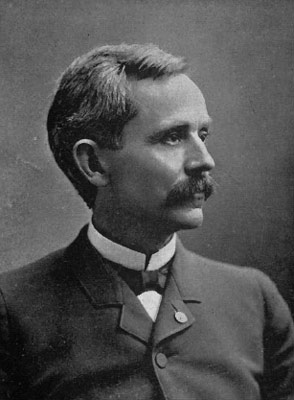
Joseph Wilson Fifer
U.S.A.

Social Media

Personal Background
Joseph Fifer was born in 1840 in Staunton, Virginia, and later moved to Illinois, where he gained early work experience in a brickyard. During the Civil War, he served in the 33rd Illinois Infantry, where he was severely wounded and subsequently engaged in guarding duties. Post-war, Fifer transitioned into a political career, serving in the Illinois Senate and later as the 19th governor of Illinois, where he notably commuted the life sentence of murderer Thomas Neill Cream. His career also included a role on the Interstate Commerce Commission and participation in the 1920 Illinois Constitutional Convention. Fifer's family life included marriage, the raising of three children, and witnessing his daughter become a pioneering figure in women's political rights.
Political Ideas
Joseph Fifer's political identity is marked by a blend of traditional values and progressive pragmatism, especially evident in his criminal justice reforms. His commutation of the life sentence of murderer Thomas Neill Cream suggests a nuanced approach to justice that balances leniency with public safety. Fifer's advocacy for his own pension, despite its modest amount, reveals an underlying commitment to economic stability for veterans. His daughter's groundbreaking role as the first female state senator in Illinois hints at Fifer's support for gender equality, though his direct policy stances on women's rights remain less clear. This combination of seemingly contradictory positions invites deeper inquiry into his ideological consistency and strategic political calculations.