John Peter Altgeld
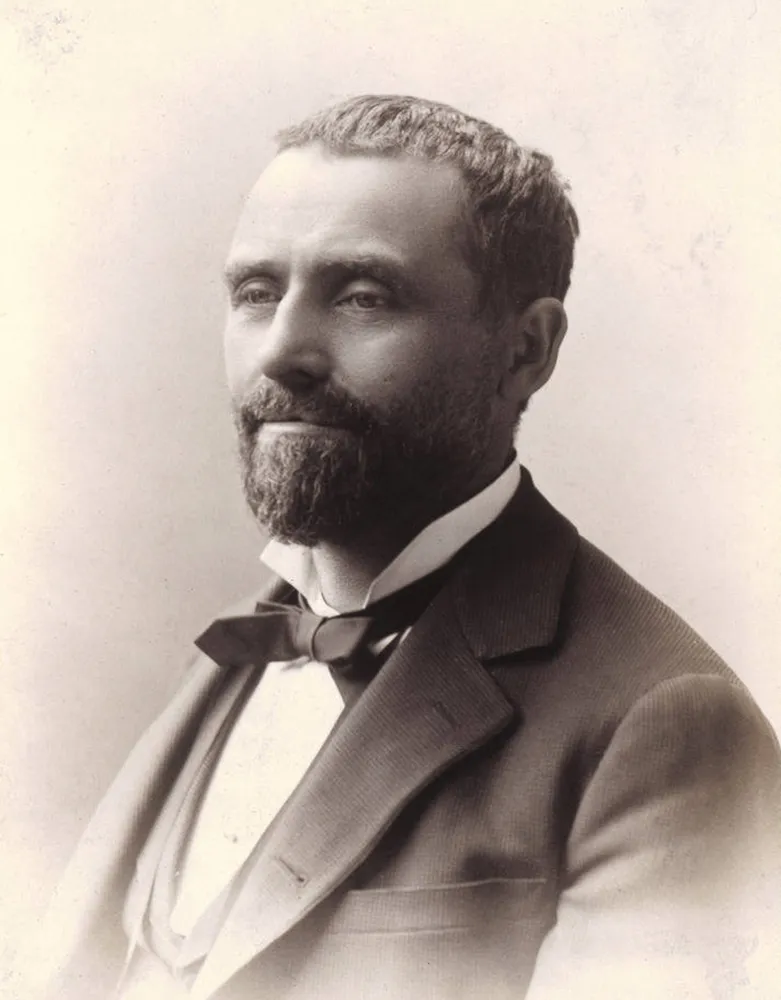
John Peter Altgeld
U.S.A.

Social Media

Personal Background
John Peter Altgeld pursued a rigorous educational path, transitioning from military service to legal studies and eventually establishing himself as a lawyer. He gained practical experience through railroad work and public service roles in Missouri before relocating to Chicago. Altgeld's professional career included managing an independent legal practice and holding judicial positions, which honed his expertise in law and public administration. His leadership roles and advocacy for penal reform and economic development projects underscore his commitment to progressive policies and public service.
Political Ideas
John Peter Altgeld's political philosophy is marked by a unique blend of progressive penal reform and economic development initiatives. His advocacy for penal reform, grounded in the belief that incarceration breeds hardened criminals, juxtaposes with his support for real estate and development projects, including the Unity Building. Altgeld's disillusionment with the criminal justice system led him to resign as state's attorney, revealing a principled stance against systemic flaws. His rhetorical style likely combined compassionate appeals for reform with pragmatic arguments for economic growth, creating a compelling narrative that balances idealism with tangible results. Altgeld's legacy, reflected in the naming of Chicago landmarks and university structures, underscores his lasting impact on regional development and social justice.