John Tanner
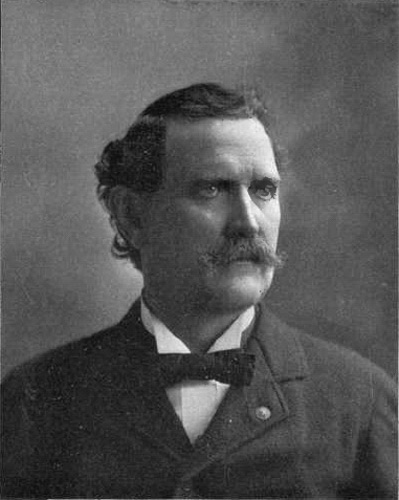
John Riley Tanner
U.S.A.

Social Media

Personal Background
John Tanner's foundational background includes a formative period in southern Illinois, where he engaged in farming and business ventures post-Civil War. He established a political career by serving in various local and state roles, including sheriff, circuit court clerk, and state senator. Tanner's professional expertise spans public administration and legislative reforms, evidenced by his establishment of multiple state boards and commissions. His leadership capabilities are highlighted by his role in managing state militia during the Spanish–American War and his efforts to promote civil rights and social reforms.
Political Ideas
John Tanner's political identity is marked by a surprising blend of progressive social reforms and a firm stance on maintaining order, particularly during labor disputes. His legislative initiatives, such as establishing the State Board of Pardons and the Juvenile Court Act, reveal a progressive streak often juxtaposed with his deployment of state troops to suppress violent labor conflicts. Tanner's support for African American troops and elevation in society, coupled with his antagonistic approach towards Chicago, showcases a complex ideological landscape that balances inclusivity with a strong, sometimes authoritarian, hand in governance.