James B. Weaver
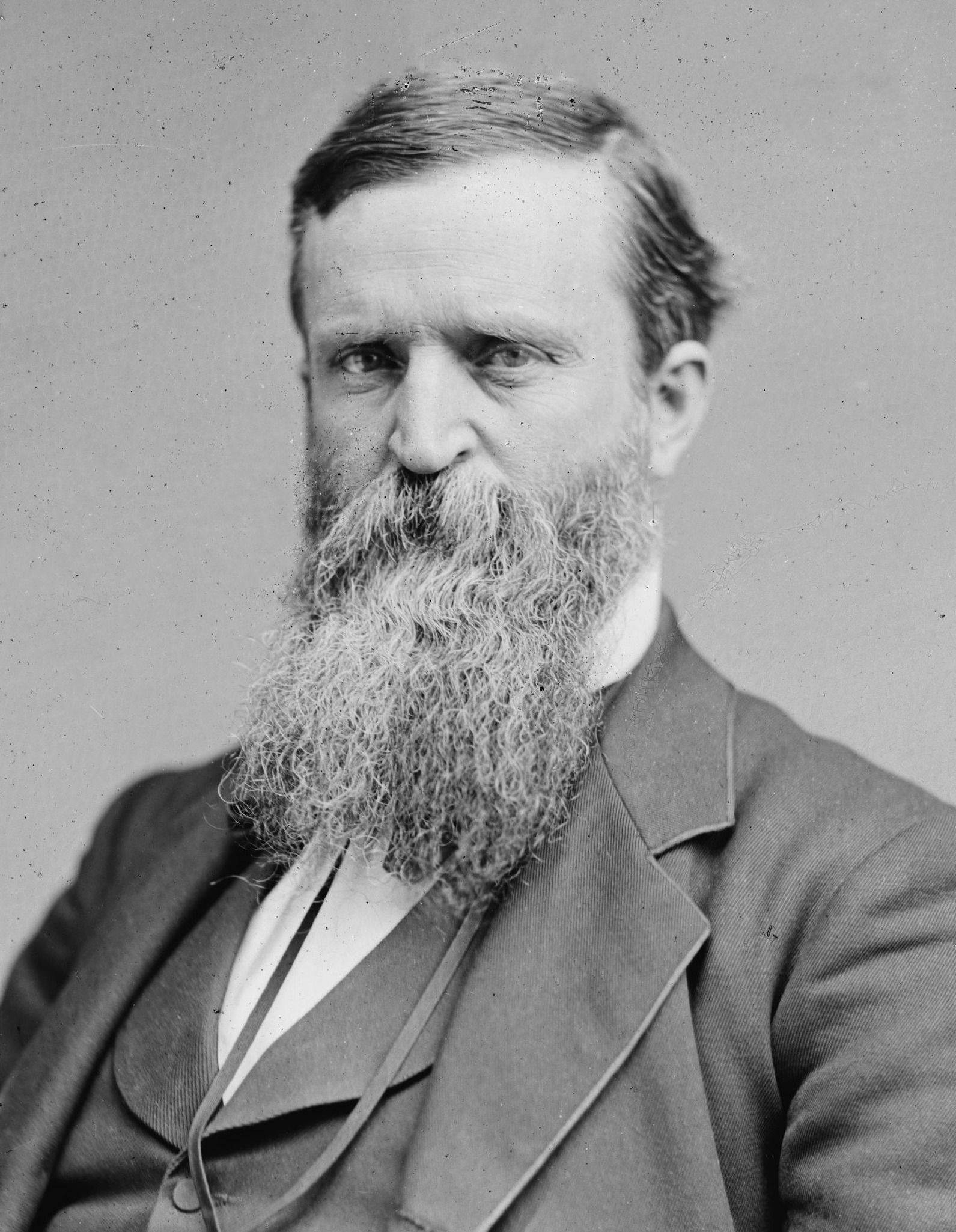
James B. Weaver
U.S.A.
Social Media

Personal Background
James B. Weaver began his career in law after studying under a prominent attorney and attending Cincinnati Law School. He transitioned into public service, initially aligning with the Republican Party and later becoming a significant figure in the Greenback and Populist movements. Weaver's military experience in the Union Army, where he rose to the rank of colonel, informed his later advocacy for labor rights and economic reforms. He held various political offices and ran for higher positions, including a bid for the presidency in 1880 and 1892. Throughout his career, Weaver championed increased money supply, labor rights, and government regulation of key industries.
Political Ideas
James B. Weaver's political identity is marked by a distinctive blend of monetary populism and progressive labor advocacy, often aligning with unexpected factions. His opposition to the gold standard and advocacy for increased money supply juxtapose with his support for government regulation of key industries, revealing a calculated approach to economic stability. Weaver's commitment to racial cooperation and labor rights, despite facing significant backlash, further underscores his ideological versatility. His legislative efforts, including advocating for the direct election of senators and opening Indian Territory to white settlement, illustrate a pragmatic yet principled political strategy.