Grover Cleveland
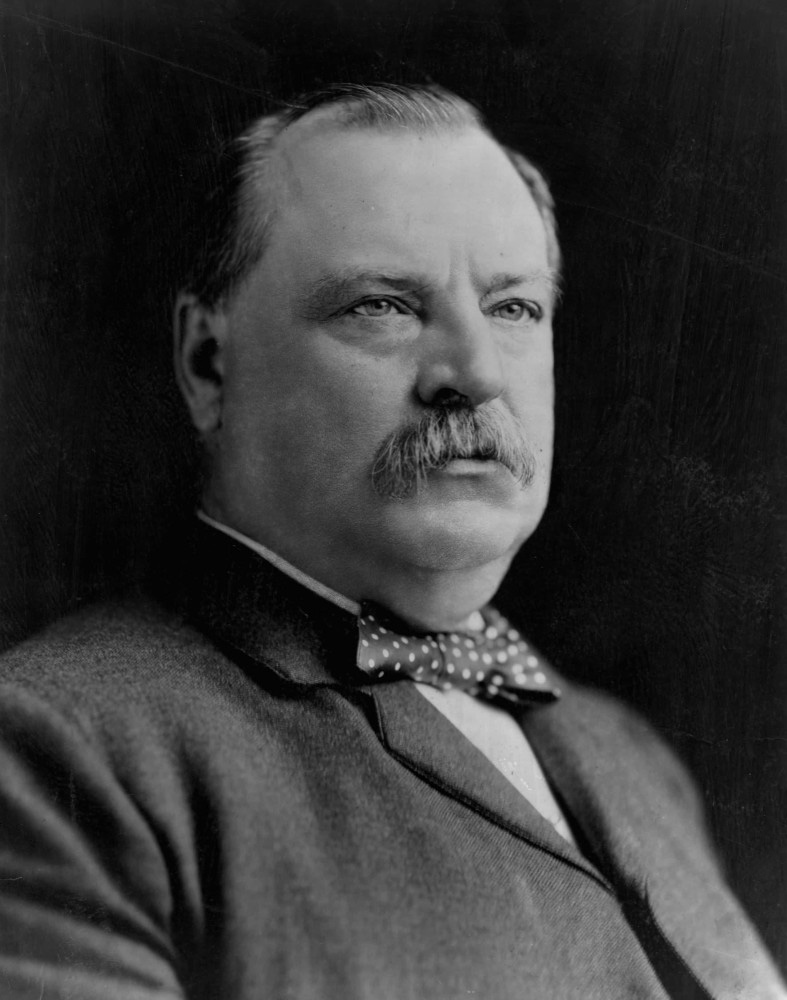
Grover Cleveland
U.S.A.

Social Media

Personal Background
Grover Cleveland began his career in law and public service, later transitioning to a prominent political role. He spent several years in New York City, working with a law firm, and engaged in political discourse by criticizing significant legislative acts. Post-presidency, Cleveland remained active in intellectual circles and public debate, expressing views on economic policies and women's suffrage. His career reflects a blend of legal expertise, political engagement, and public commentary on key issues.
Political Ideas
Grover Cleveland's political identity is marked by an intriguing blend of fiscal conservatism and selective progressiveness. He opposed the McKinley Tariff and the Sherman Silver Purchase Act, showcasing a concern for economic stability over protectionism and inflationary policies. Despite this, Cleveland's opposition to women's suffrage reveals a more traditional stance on gender roles, suggesting a complex ideological landscape. His rhetorical style often juxtaposes economic prudence with social conservatism, inviting deeper examination into his nuanced policy positions.