Increase Sumner
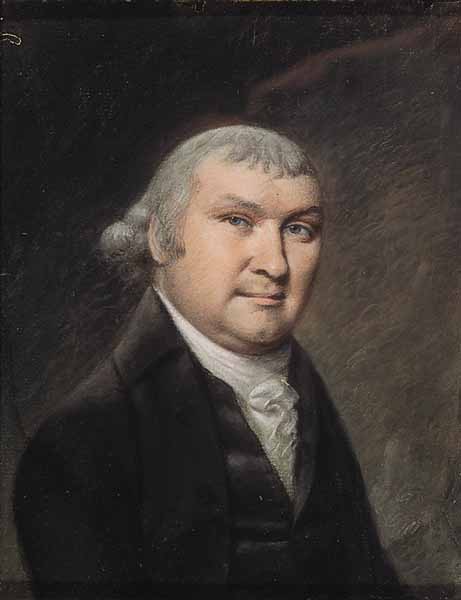
Increase Sumner
U.S.A.

Social Media

Personal Background
Increase Sumner was born in 1746 in Roxbury, Massachusetts, and graduated from Harvard College in 1767. He established a legal career, opening a law office in Roxbury after being admitted to the bar in 1770. Sumner served in various capacities within the Massachusetts government, including as a state senator and a member of the Confederation Congress. He notably participated in drafting the state constitution and was appointed as an associate justice of the Massachusetts Supreme Judicial Court, where he played a role in landmark cases such as the Quock Walker cases that abolished slavery in Massachusetts. Sumner's leadership extended to his governorship, where he focused on state militia preparedness during the Quasi-War with France.
Political Ideas
Increase Sumner's political identity is marked by a blend of traditional judicial conservatism and progressive social reforms. His judicial career, particularly his involvement in the Quock Walker cases, demonstrates an unexpected alignment with abolitionist principles. Meanwhile, his support for raising taxes to stabilize the economy reveals a fiscal conservatism that prioritizes long-term financial health over immediate relief. Sumner's tenure as governor, where he bolstered the state militia amid international tensions, further highlights his calculated approach to regional security. His ability to balance these seemingly disparate policy stances suggests a highly localized, strategic mindset focused on protecting Massachusetts' unique interests.