Herbert Hoover
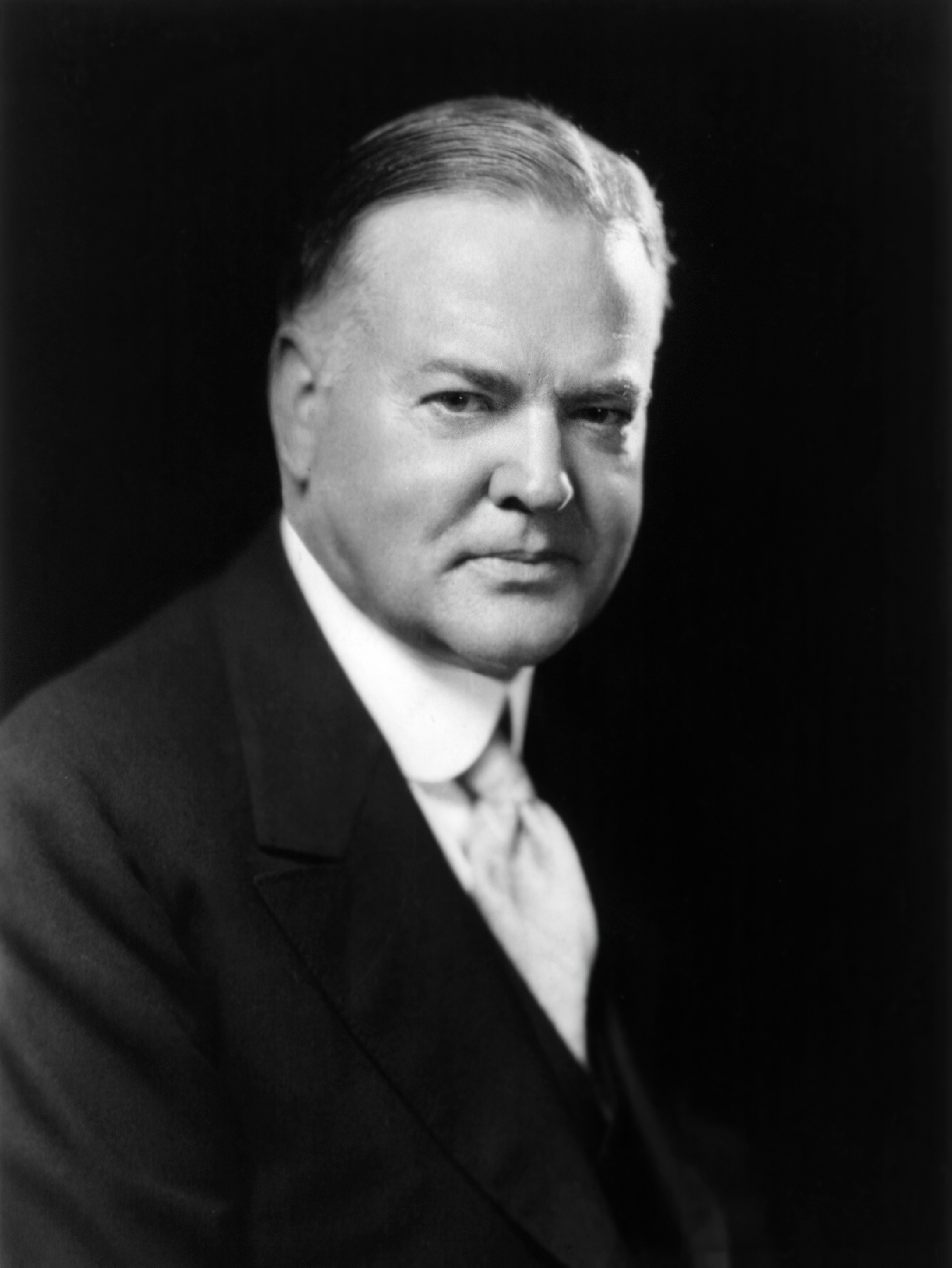
Herbert Hoover
U.S.A.

Social Media

Personal Background
Herbert Hoover graduated from Stanford University with a degree in geology, having initially pursued mechanical engineering. He gained significant experience in the public sector by coordinating food supply during World War I and later served as Secretary of Commerce. Hoover's professional background includes managing institutional risk in high-finance, which he transitioned into public service roles. His leadership capabilities were further demonstrated during his tenure as President, where he navigated the onset of the Great Depression.
Political Ideas
Herbert Hoover's political identity is marked by a curious blend of progressive economic measures and staunch anti-federal intervention. He supported progressive labor reforms like minimum wage and child labor laws, yet he staunchly opposed government unemployment payments. Hoover's advocacy for public-private cooperation and "rugged individualism" reveals a tension between collectivist policies and libertarian principles. His unexpected alignment with opposing factions on environmental regulations during his tenure as Secretary of Commerce hints at a highly strategic approach to protecting regional industrial interests.