Henry Wilson
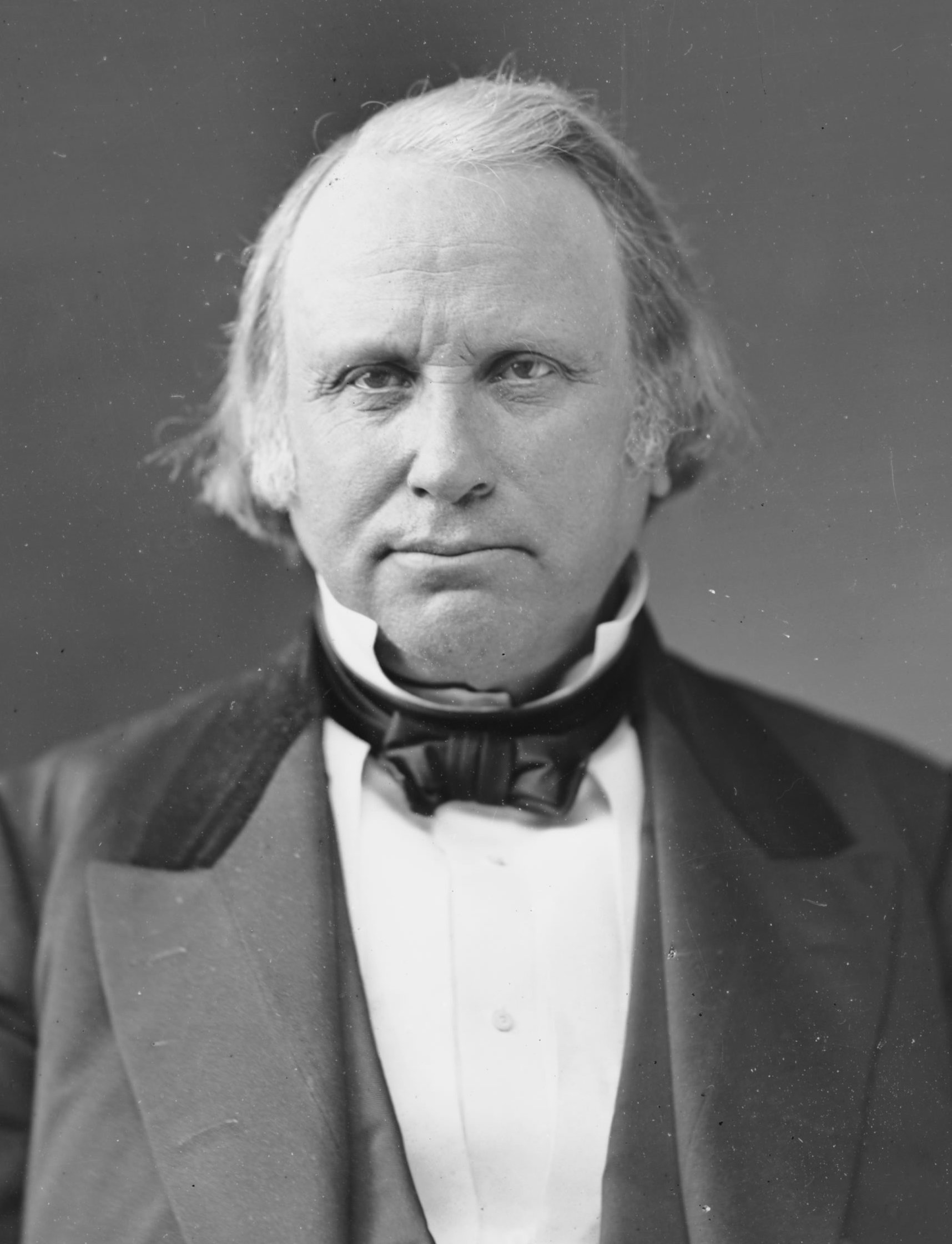
Henry Wilson
U.S.A.

Social Media

Personal Background
Henry Wilson began his career as an apprentice shoemaker after leaving formal education. He later transitioned into leadership roles within the Massachusetts Militia, culminating in his command of the 1st Artillery Regiment. His political career saw him serve in both the Massachusetts House of Representatives and State Senate, including a tenure as Senate President. Wilson played a pivotal role during the Civil War, raising and commanding a volunteer infantry regiment and advocating for military readiness. Post-war, he was instrumental in advancing civil rights legislation and Reconstruction policies, including the Civil Rights Act of 1866 and the readmission of Arkansas to the Union. He served as Vice President under Ulysses S. Grant, where his influence extended to supporting Radical Reconstruction and civil rights for African Americans.
Political Ideas
Henry Wilson's political identity is marked by a unique blend of Radical Reconstruction advocacy and unexpected alliances on economic issues. His legislative record reveals a surprising convergence with opposing factions on environmental regulations, suggesting a highly calculated approach to protecting regional industrial interests. Wilson's rhetorical style is compelling, often framing civil rights and social reforms through the lens of economic justice, which invites deeper inquiry into his ideological underpinnings. His commitment to championing unpopular causes like abolition and workers' rights adds another layer of intrigue to his political persona.