Emory Washburn
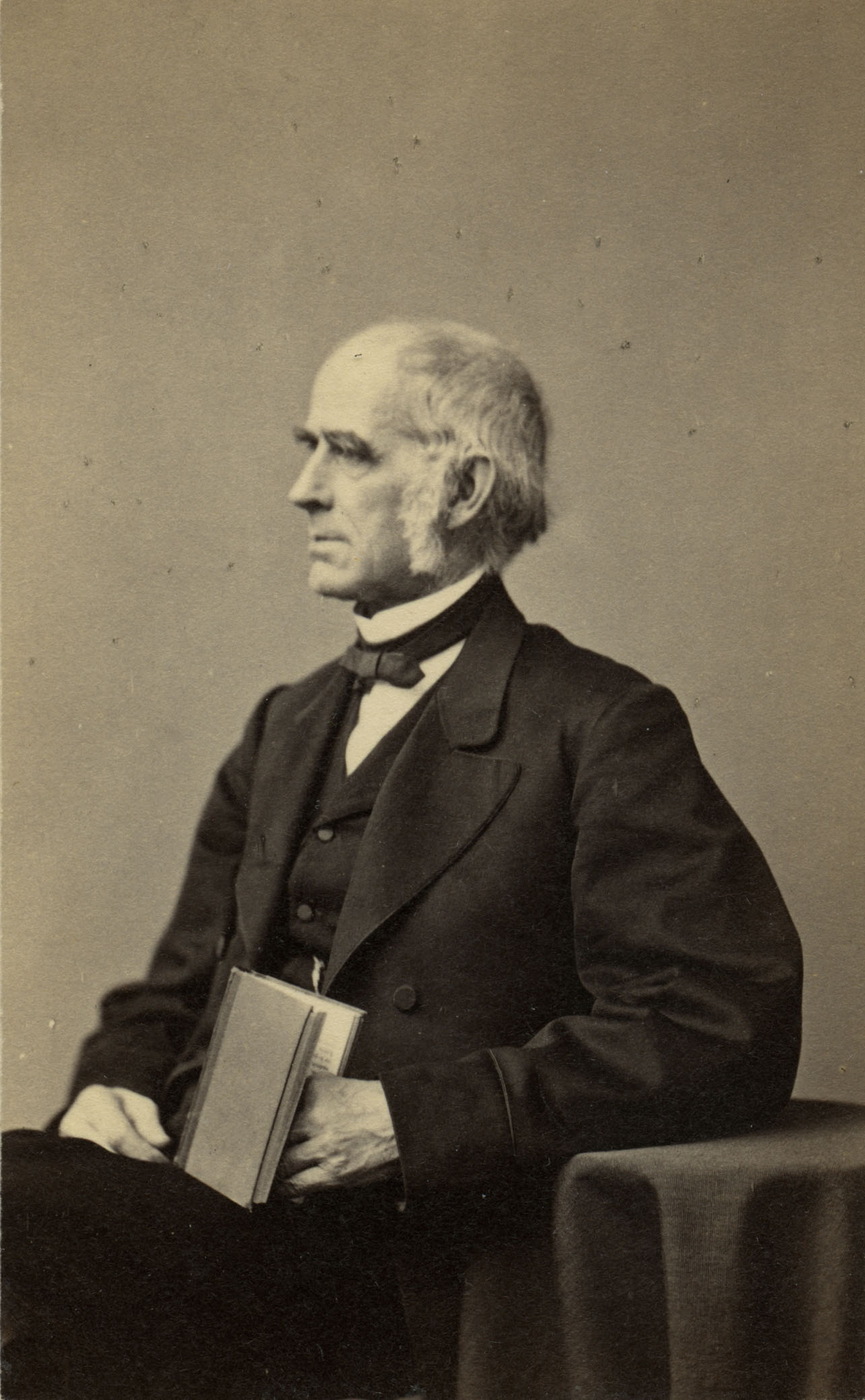
Emory Washburn
U.S.A.

Social Media

Personal Background
Emory Washburn was born in Leicester, Massachusetts, and attended Williams College, where he played a key role in establishing an alumni association. He pursued legal studies at Harvard Law School and opened a law practice in Worcester, where he remained for three decades. Washburn served in various capacities in the Massachusetts legislature and judiciary, including as a justice of the Court of Common Pleas. He was elected governor in 1854, during which he promoted debt relief, social welfare measures, and educational reforms. Washburn later taught at Harvard Law School, contributing to the development of its curriculum.
Political Ideas
Emory Washburn's political identity is marked by a blend of progressive social welfare policies with an unexpected alignment on certain economic issues. His advocacy for debt relief and assistance to the poor and insane contrasts with his support for infrastructure development through railroads, suggesting a calculated approach to regional economic growth. Washburn’s stance on repealing personal liberty laws reveals a complex ideological positioning on slavery and state sovereignty. His dual commitment to historical preservation and legal education hints at a deeply rooted belief in the importance of both tradition and progressive reform.