George B. McClellan
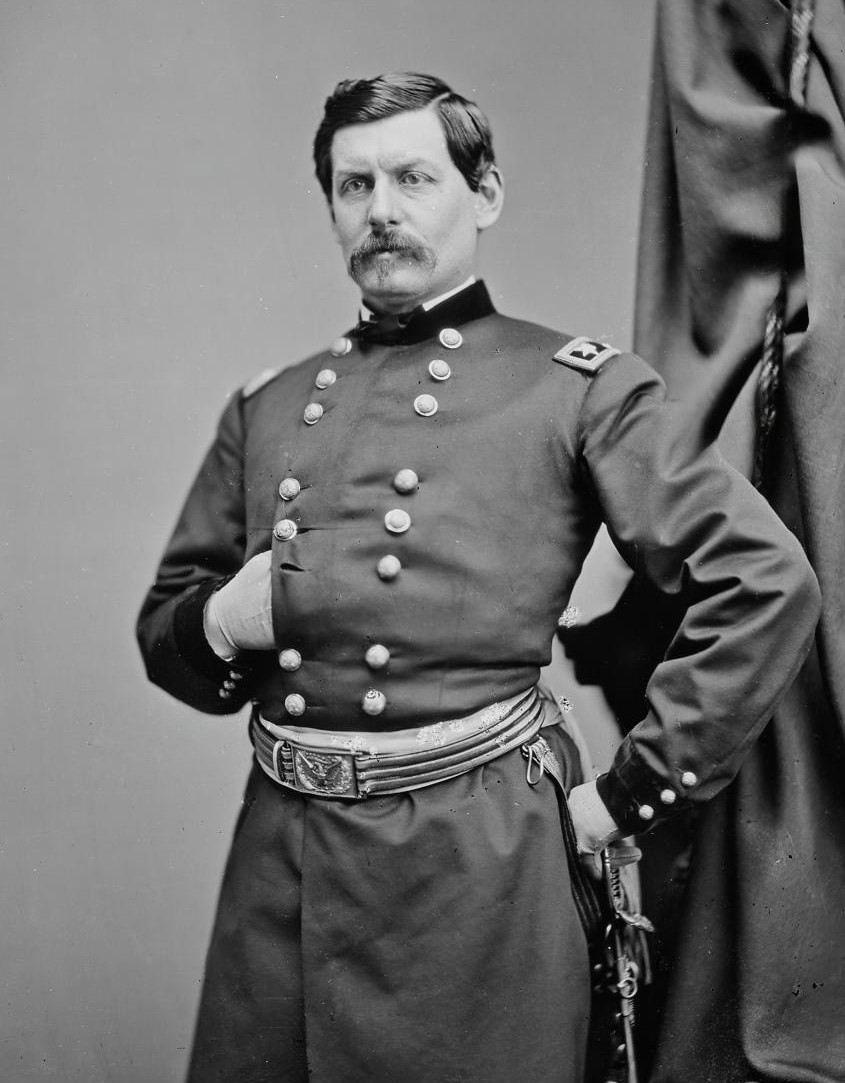
George B. McClellan
U.S.A.

Social Media

Personal Background
George B. McClellan graduated second in his class at West Point and began his career in the U.S. Army Corps of Engineers. He gained military experience during the Mexican-American War and later served as a major general in the Union Army during the Civil War, commanding the Army of the Potomac. Post-war, he engaged in engineering projects and held leadership roles in railroads and public works. McClellan's professional journey reflects a blend of military, engineering, and public sector leadership.
Political Ideas
George B. McClellan's strategic philosophy is marked by a cautious, methodical approach to both military and political matters, emphasizing strong defensive positions and well-prepared offensives. His unique ideological positioning is evident in his opposition to the abolition of slavery while supporting the Union, creating a notable tension within the Democratic party. McClellan's rhetorical style often highlights self-aggrandizement, as seen in his memoirs, which critics argue lack humility. His political career, particularly during the 1864 presidential campaign, reveals an intriguing blend of regional loyalty and a calculated approach to national issues, raising questions about how he reconciled these seemingly divergent interests.