Eugene V. Debs
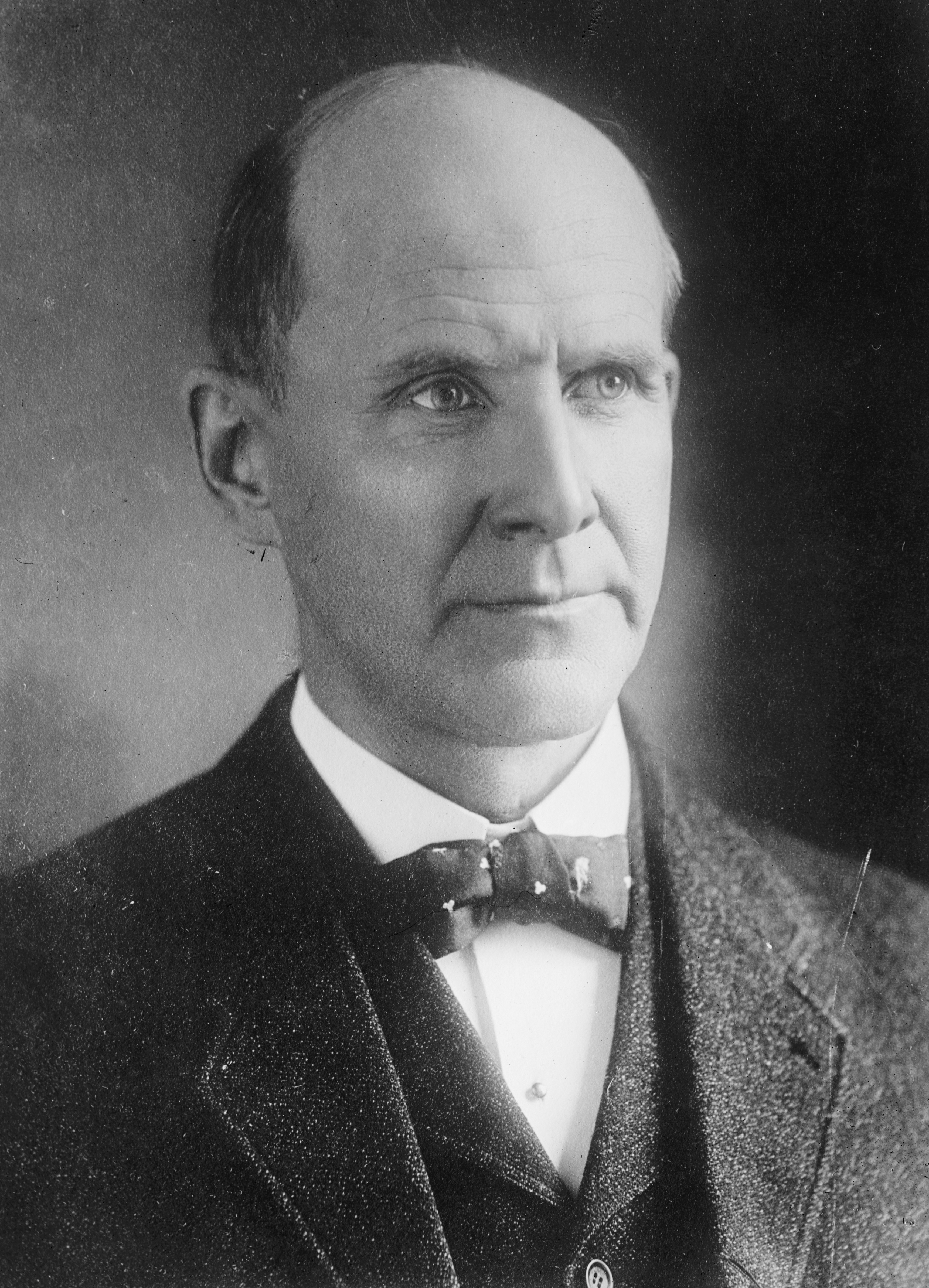
Eugene V. Debs
U.S.A.

Social Media

Personal Background
Eugene V. Debs began his career in the railroad industry, transitioning from a fireman to a prominent labor leader. He gained significant experience in labor organizing, first with the Brotherhood of Locomotive Firemen and later with the American Railway Union. Debs' leadership roles included editorship of labor publications and involvement in major strikes, which shaped his evolving stance on labor relations. His educational background was limited, dropping out of high school early, yet he developed a robust understanding of labor issues through practical experience and self-education. Debs' commitment to socialism emerged during his time in prison, leading him to advocate for a more unified labor movement and the establishment of socialist principles in the United States.
Political Ideas
Eugene V. Debs's political identity is marked by an ideological evolution from labor advocate to a prominent socialist leader, advocating for a unique blend of cooperation and confrontation within the labor movement. Initially skeptical of strikes, Debs later championed a more unified and militant labor approach, exemplified by his leadership in the American Railway Union. Debs's socialist philosophy diverges from traditional Marxist thought by emphasizing minimal state involvement in building socialism. His rhetorical style and policy stances reveal a calculated approach to labor issues, balancing advocacy for labor rights with a nuanced understanding of industrial dynamics.