Emil Seidel
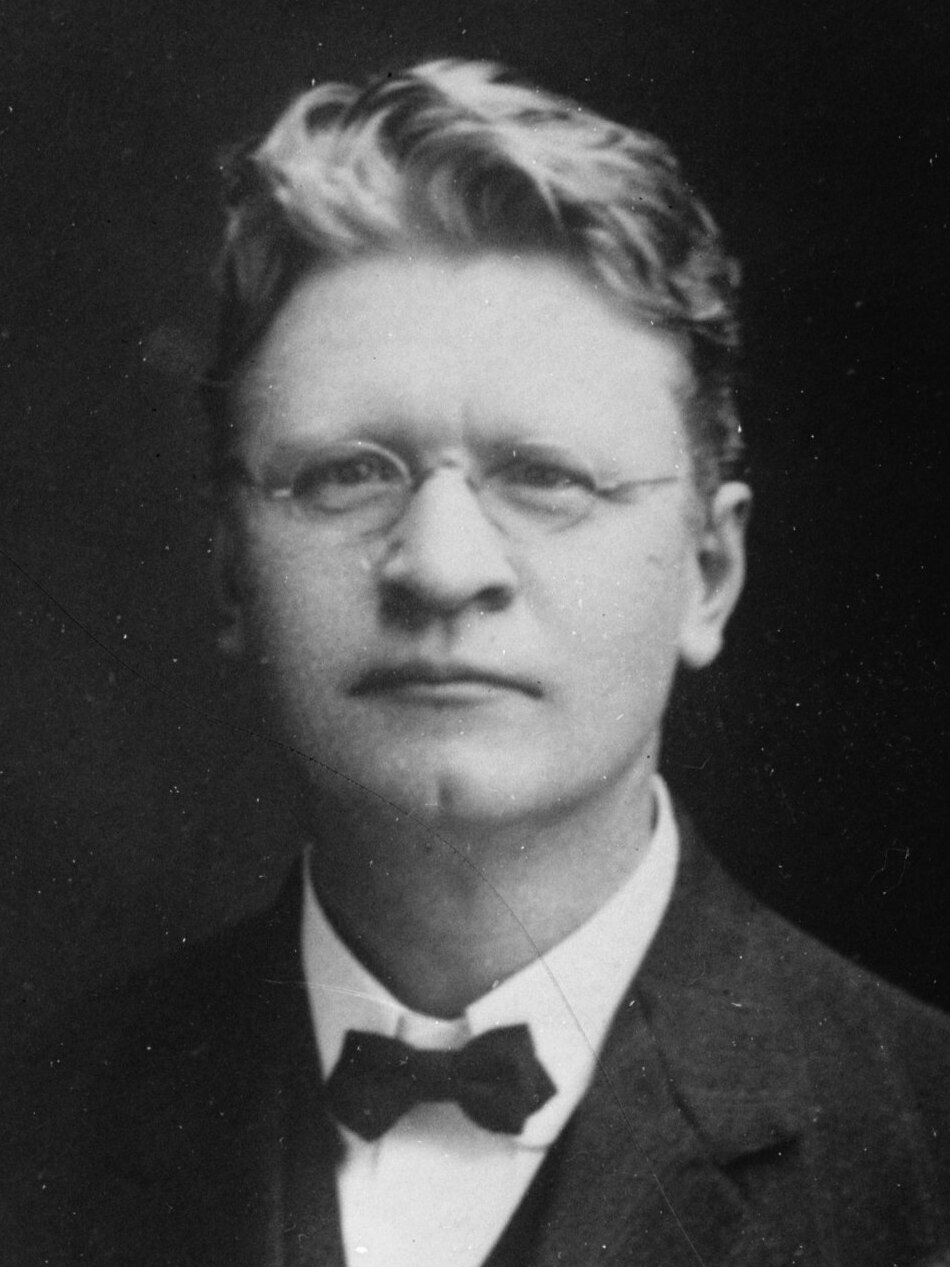
Emil Seidel
U.S.A.

Social Media

Personal Background
Emil Seidel developed a robust foundation in trade unionism and socialist activism early in life. He began his career as a woodcarver and quickly became involved in union activities, eventually leading to his role as the first secretary of a local woodworkers' union. Seidel furthered his education and socialist engagement by studying in Berlin, where he honed his craft and deepened his commitment to socialist principles. Seidel's professional expertise was marked by significant leadership roles within various socialist organizations, culminating in his election as the first Socialist mayor of a major U.S. city. Throughout his career, Seidel consistently advocated for public works, infrastructure development, and social reforms, demonstrating a commitment to progressive policies.
Political Ideas
Emil Seidel’s political identity is marked by a steadfast commitment to socialist principles, tempered by an unusual willingness to engage with municipal governance. Seidel’s tenure as Milwaukee’s first socialist mayor showcases a unique blend of ideological rigidity and pragmatic local governance, as seen in his establishment of public works and city parks. His opposition to World War I funding and controversial arrests highlight a principled stance that often put him at odds with mainstream politics. Seidel’s rhetorical style, rooted in his socialist convictions, frequently positioned him against both capitalist and wartime policies, revealing a deeply localized approach to broader national issues.