Thomas R. Marshall
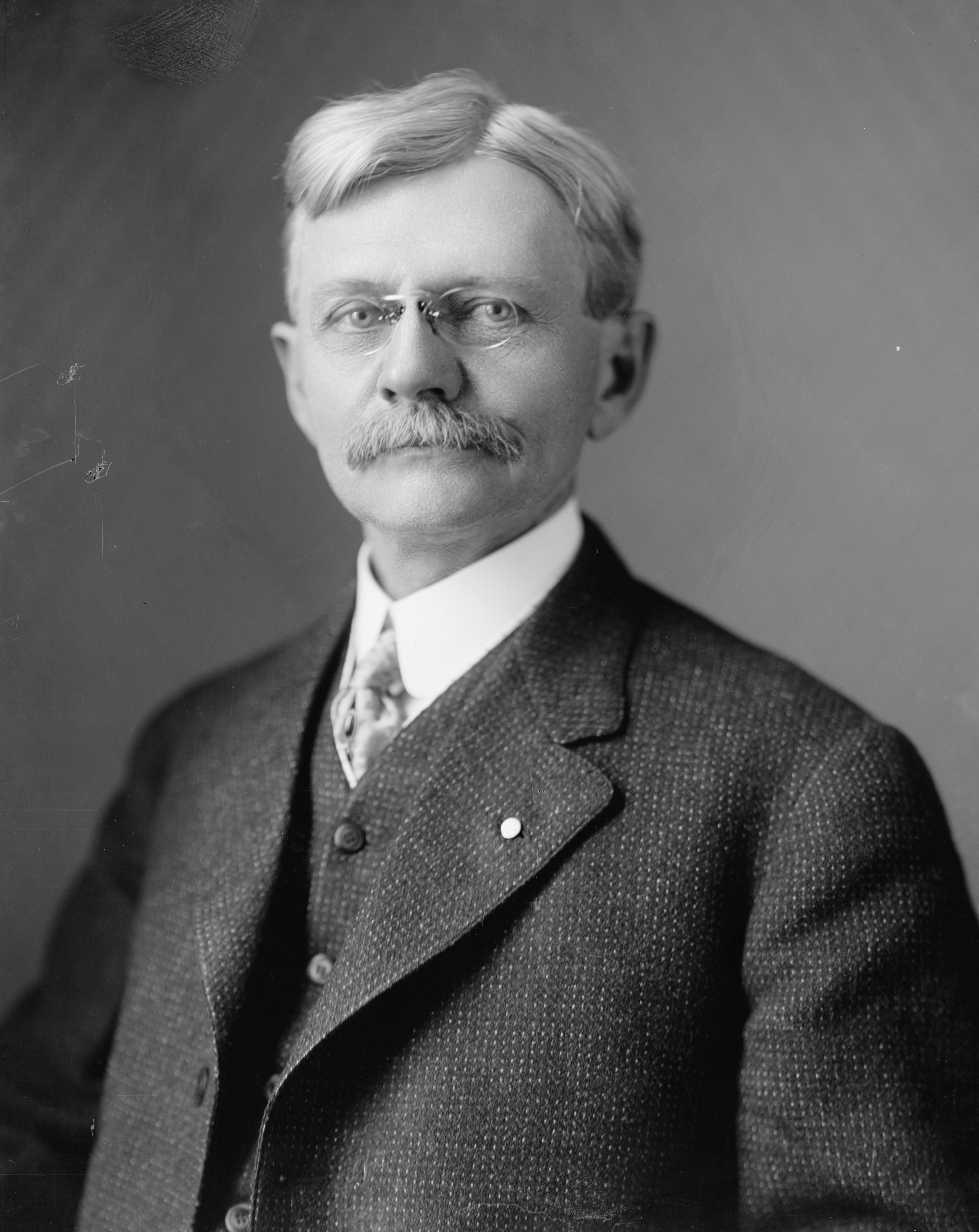
Thomas R. Marshall
U.S.A.

Social Media

Personal Background
Thomas R. Marshall established a foundation in law and public service before his political career. He practiced law in Indianapolis, which provided him with a robust understanding of legal matters and public interaction. His tenure as Vice President under President Woodrow Wilson highlighted his leadership capabilities and influence in national debates, particularly regarding presidential succession. Post-vice presidency, Marshall engaged in writing and public speaking, showcasing his continued commitment to public service and intellectual pursuits. His diverse experiences and contributions to public life reflect a blend of legal expertise, leadership, and a dedication to civic engagement.
Political Ideas
Thomas R. Marshall's political identity is marked by a blend of humor and a surprising ideological shift. Initially a progressive voice, Marshall later gravitated towards conservatism, opposing progressive measures like minimum wage laws. His rhetorical style, characterized by wit and a folksy demeanor, often masked a calculated approach to policy. Marshall's tenure as vice president sparked national debates on presidential succession, and his later stances revealed an unexpected alignment with conservative policies, creating a conceptual tension worth exploring.