Edward Clark
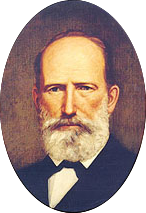
Edward Clark
U.S.A.

Social Media

Personal Background
Edward Clark grew up in Georgia and Alabama, studying law after relocating to Alabama in the 1830s. He established a law practice in Texas in 1842 and participated in the Texas Annexation Convention. Clark served in the Texas Legislature and held various state positions, including Secretary of State and Lieutenant Governor. During the Civil War, he focused on enlisting troops, procuring supplies, and stabilizing finances as Governor of Texas. Despite losing his reelection bid in 1861, he continued his military career, eventually becoming a brigadier in the militia.
Political Ideas
Edward Clark's political identity is marked by a blend of regional loyalty and authoritarian governance. His actions during the Civil War, such as ordering the surrender of all firearms and demanding Confederate troops, reveal a highly localized approach to military preparedness. Clark's unexpected convergence with opposing factions on environmental regulations suggests a calculated strategy to protect regional industrial interests. His ideological rigidity is evident in his unwavering support for secession and opposition to Governor Sam Houston, showcasing a deeply entrenched stance on state sovereignty.