DeWitt Clinton
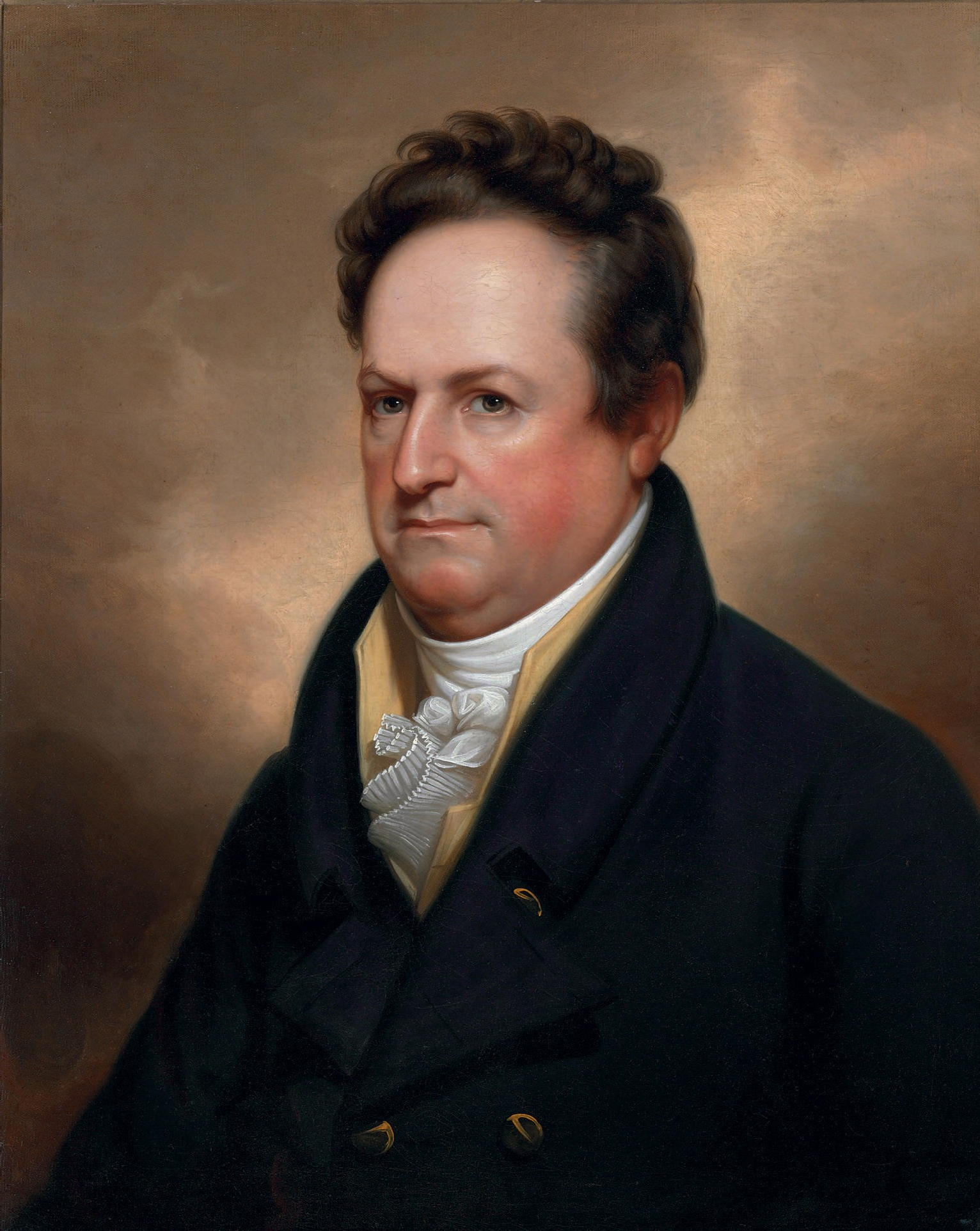
DeWitt Clinton
U.S.A.

Social Media

Personal Background
DeWitt Clinton pursued higher education at prestigious institutions, graduating from King's College. He gained early political experience as a secretary to his uncle, a prominent governor. Clinton dedicated significant effort to infrastructure projects, playing a pivotal role in the Erie Canal's planning, funding, and completion. His leadership and advocacy skills were instrumental in securing legislative support for major public works. Clinton's contributions extended to philanthropy, notably through his involvement with early savings banks aimed at supporting the less affluent.
Political Ideas
DeWitt Clinton's political identity is marked by a blend of visionary infrastructure projects and progressive social policies. He championed the Erie Canal, a massive public works endeavor that defied traditional political boundaries, showcasing a knack for uniting disparate interests around monumental goals. Clinton's advocacy for public education and steam navigation reveals a forward-thinking approach to economic and social development. His philanthropy, particularly through the Bank for Savings, indicates a commitment to uplifting the less fortunate, a stance that contrasts with his elite political circles. This combination of grand ambitions and grassroots support highlights Clinton's ability to balance large-scale initiatives with community-focused philanthropy.